
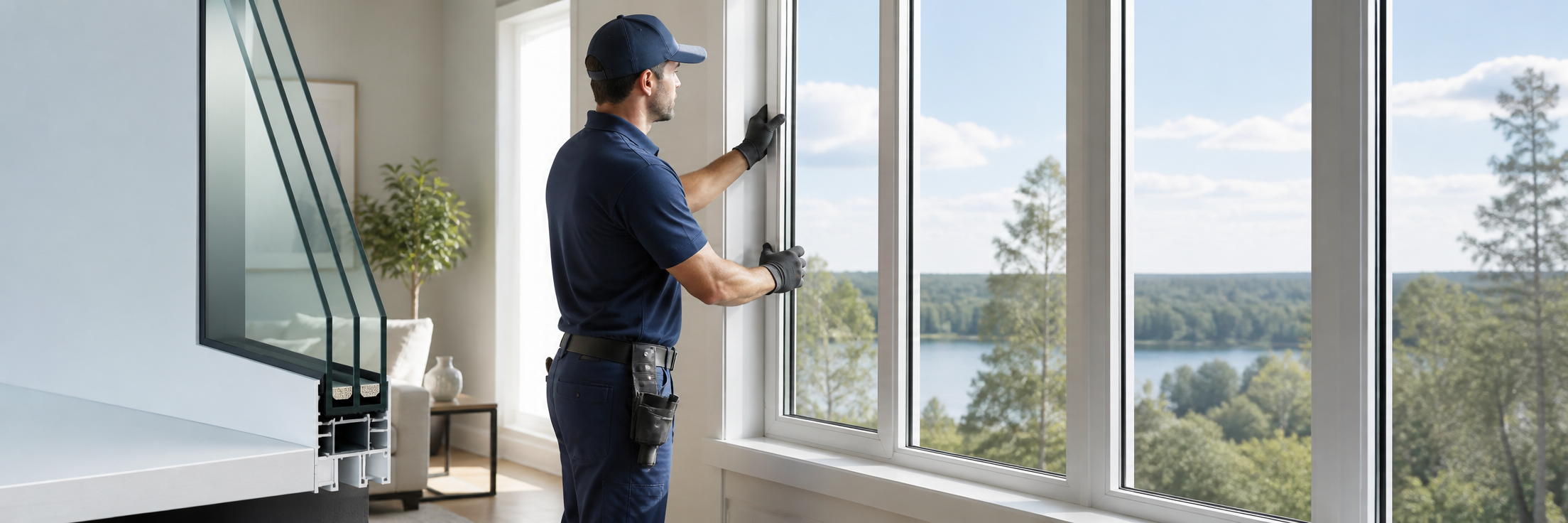
Low‑E Glass Windows for St. Louis Homes
Low‑E (low emissivity) glass looks like clear glass, but it quietly does the hard work of managing heat while still flooding your rooms with daylight. In Missouri’s mixed climate, it keeps summer heat out and winter warmth in—without that dark, tinted look. Clear, not gloomy. Comfortable, not stuffy. If certain rooms run hot in the afternoon or feel chilly by the window in January, Low‑E is the everyday comfort upgrade you’ll notice right away.
- Comfort: steadier room temperatures and “warmer glass” near seating areas in winter
- Energy savings: reduces heating and cooling loads to help lower utility bills (ask about ENERGY STAR‑qualified glass packages)
- UV fade protection: blocks most UV rays to help protect floors, furniture, and décor
- Glare control: tames harsh sun on south‑ and west‑facing windows
For a deeper dive into all the glass components that work with Low‑E, see Replacement Window Glass Options Explained for Homeowners.
Why St. Louis homeowners choose Low‑E with Viviano:
- Guidance for our climate: we help you match Low‑E levels to each room’s sun exposure
- Multiple brands and options: choose what fits your home and budget—no one‑size‑fits‑all
- Straightforward pricing, no pressure: get clear numbers and time to decide
- Professional installation coordination for a clean, efficient finished result
Curious how we prevent leaks and keep water out during installs? See How Window Installers Prevent Leaks and Water Intrusion.
Viviano Window & Door is a family‑owned St. Louis dealer with 28+ years serving local homeowners. We focus on energy‑efficient products and straightforward pricing, no one‑call‑close tactics. Our promise is simple: The Intersection of Price and Quality®.
See Low‑E glass side‑by‑side in person at our Shrewsbury showroom and feel the difference yourself: 7530 Watson Rd, Shrewsbury, MO 63119. Hours: Monday–Friday, 8:00 a.m.–4:00 p.m.; closed Saturday and Sunday.
Prefer a quick, no‑obligation quote at home? Call 314‑353‑8350 or request a free estimate at https://viviano-inc.com/free-quote/. We can bring glass samples to your appointment so you can compare clarity and performance in your own lighting.
Up next: a quick look at how Low‑E works, where the coating sits on the glass, and how that affects comfort, clarity, and efficiency. If you’d rather talk it through, give us a call—we’re happy to help.
What is Low‑E glass and how does it work?
Low‑E (low‑emissivity) glass looks like standard glass but has an ultra‑thin, transparent metal‑oxide coating that manages heat without blocking daylight. The coating reflects invisible infrared heat back toward its source while letting most visible light pass through. In summer, it reflects heat outdoors. In winter, it reflects warmth back into the room. Most Low‑E packages also cut UV rays that fade floors and furniture. The result is a more comfortable home and lower energy use without darkening your rooms. If you’d like to compare options side‑by‑side, we can walk you through real NFRC label differences with samples during a no‑pressure visit. For a quick primer, see What is Low‑E glass and why is it important?
Hard‑coat vs. soft‑coat
- Hard‑coat (pyrolytic) Low‑E is fused to the glass during manufacturing. It’s durable and allows more solar heat gain, helpful in colder, sun‑seeking applications. It can look slightly more reflective or tinted in some lighting.
- Soft‑coat (sputter‑coated) Low‑E uses multiple, microscopically thin layers (often including silver) applied in a vacuum chamber. It delivers the best overall insulation (lower U‑factor) and stronger solar control for modern energy codes. Because it’s delicate, it’s sealed inside the insulated glass unit. Most residential replacement windows today use soft‑coat Low‑E for its efficiency, clarity, and UV protection.
Not sure which fits your space? We’ll show both options and help you choose based on room use, sun exposure, and budget—no one‑call‑close tactics.
Where the coating sits in the glass unit
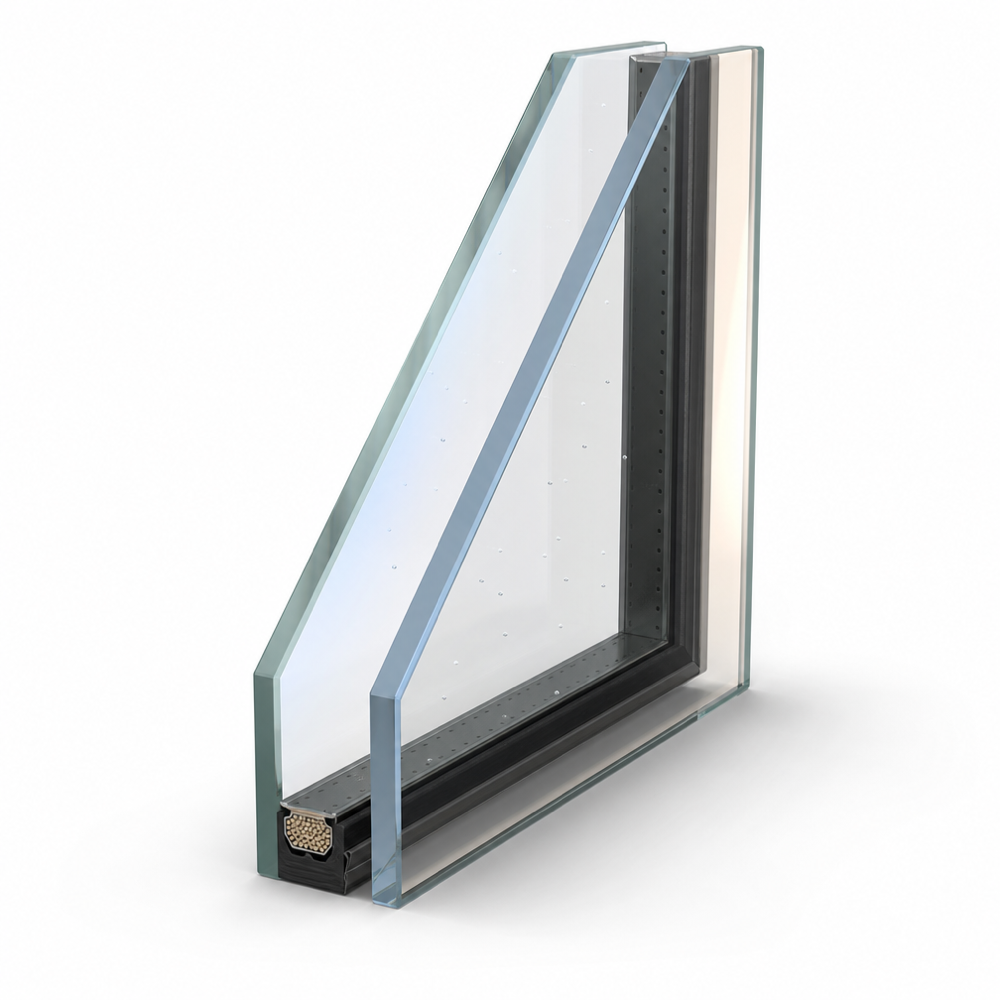
Insulated glass panes are numbered from the outside in:
- Surface #1: exterior face of the outer pane (exposed to weather)
- Surface #2: interior face of the outer pane (faces the air space)
- Surface #3: exterior face of the inner pane (faces the air space)
- Surface #4: interior face of the inner pane (faces your room)
Common setups place a soft‑coat Low‑E on surface #2 for balanced solar control. Some packages add a room‑side coating on surface #4 (often called a 4th‑surface or ERS coating) to further lower the U‑factor. This room‑side option can look slightly more reflective indoors and, in very cold snaps, may change how condensation behaves on the interior glass. Visit our showroom at 7530 Watson Rd, Shrewsbury, to handle cutaway glass units and see exactly where coatings live—or ask us to bring samples to your free in‑home estimate.
What you’ll see at home
Low‑E glass is essentially clear. Depending on the exact formula and viewing angle, you may notice mild reflectivity or a subtle neutral hue. Daylight still comes through; it isn’t a dark tint. Brightness and color rendering depend on the full glass system (coatings, number of panes, gas fill). We can show this with samples in our showroom, so you can compare clarity and color in person before you decide.
With the basics set, the next step is choosing the right Low‑E type and placement for St. Louis’ mixed‑humid climate and for each window’s orientation. Tell us what matters most—summer heat, winter comfort, glare control, or UV protection—and we’ll spec the right glass and provide clear, itemized pricing. Call 314‑353‑8350 or request a Free Quote at https://viviano-inc.com/free-quote/. Prefer to stop by? We’re open Mon–Fri, 8:00 a.m.–4:00 p.m. (closed Sat–Sun). Family‑owned, low‑pressure, and focused on The Intersection of Price and Quality®.
Choose the right Low‑E for St. Louis (mixed‑humid climate)
St. Louis has hot, sunny summers, cold winters, and big humidity swings. The right Low‑E helps block excess summer heat while keeping winter warmth inside, without making rooms feel dark. It’s a balance. If you’d like help dialing that in for your home, we’ll size it up during a quick, no‑pressure visit or showroom consult.
How we generally choose
- Balanced Low‑E2: A strong “everyday” choice for most homes here. It limits summer heat gain while preserving winter sun benefits and daylight. Good comfort and value.
- Stronger solar‑control Low‑E3: Better for high‑sun exposures and large glass areas where overheating and glare are common. It rejects more of the sun’s heat, with a small trade‑off in winter solar warmth and a slight drop in visible light compared to Low‑E2.
- Not one‑size‑fits‑all: We can mix Low‑E types by orientation or room so you’re not locked into a single glass package for the whole house.
Orientation tips

- South/west sides with strong afternoon sun: Lean Low‑E3, especially on big picture windows, sliders, and bow/bay units.
- East‑facing bedrooms: Morning sun is shorter and gentler; Low‑E2 usually keeps things bright and comfortable.
- North‑facing rooms: With little direct sun, Low‑E2 typically balances clarity and insulation. In chill‑prone spots, we may pair the coating with upgrades that further warm the interior glass surface.
- Shaded elevations (trees/overhangs): If your glass gets little direct sun, Low‑E2 often delivers the best mix of comfort and daylight.
Prefer we confirm this on site? We’ll check exposures and shading so you get the right glass the first time. Planning to add or enlarge windows while you’re at it? See When You Need Structural Planning Before Adding or Enlarging Windows and Can You Make a Window Bigger During Replacement?. For basements and below‑grade spaces, here are the Best Replacement Options for Basement Windows.
Room‑by‑room scenarios
- Hot sunrooms and west‑facing living areas: Low‑E3 to cut heat and reduce glare; consider combining with shading (awnings, interior shades) if the glass area is large.
- Chilly north bedrooms/home offices: Start with Low‑E2; add insulating upgrades if drafts or cold glass are concerns.
- Glare‑prone media rooms: Low‑E3 can help at peak sun hours while keeping views.
Want to see the difference? Stop by our showroom for side‑by‑side Low‑E2 vs. Low‑E3 samples.
ENERGY STAR and NFRC—what to look for
- ENERGY STAR v7.0 tightened efficiency targets. Choose a Low‑E package that meets or exceeds the criteria for our area.
- The NFRC label on each window shows simple performance numbers:
- U‑factor = insulation (lower keeps heat in better)
- SHGC = solar heat gain (lower blocks more sun heat)
- VT = visible light (higher is brighter)
We’ll walk you through the label in plain language and match performance to your comfort goals and budget.
Bring a few smartphone photos of each side of your home and note hot/cold or glare times. During a free estimate or a quick showroom visit, we’ll match coatings to your exposures and comfort goals—no high‑pressure sales, just clear options.
Low‑E is one part of a complete glass system. Next, see how pane count, gas fills, and warm‑edge spacers work with your coating to fine‑tune comfort and efficiency.
Ready to talk through your options?
- Call 314‑353‑8350 (Mon–Fri, 8:00–4:00)
- Visit our showroom: 7530 Watson Rd, Shrewsbury, MO 63119
- Or request a free quote at viviano-inc.com
Family‑owned, value‑focused, and tailored to St. Louis homes.
Build your glass system around Low‑E
Low‑E does most of the thermal work, but the rest of the glass system drives comfort, efficiency, and durability day to day. Here’s how the key pieces fit. Want a quick, no‑pressure recommendation for your rooms and budget? Call 314‑353‑8350 or request a free quote at https://viviano-inc.com/free-quote/.
Panes: double vs. triple
- Double‑pane suits most St. Louis homes: excellent efficiency, lighter weight, and a friendlier price.
- Triple‑pane adds insulation and noise reduction but increases weight and cost; frames and sashes must be designed to support it.
- Not sure which is right for you? See our homeowner guide: Double‑Pane vs. Triple‑Pane Windows: Which Should You Choose?
- We’re happy to price both options side‑by‑side during your free estimate so you can see the value difference in dollars and comfort.
Gas fills: argon vs. krypton
- Argon is the common, cost‑effective choice that boosts insulation in most double‑ and triple‑pane units.
- Krypton performs best in very thin airspaces (often in select triple‑pane packages) and helps when overall unit thickness needs to stay slim.
- Learn when each makes sense: Argon vs. Krypton Gas in Windows: What’s the Difference?
- Ask us which gas gives you the best return for your specific window sizes—we’ll keep performance high and pricing sensible.
Warm‑edge spacers
- The spacer keeps panes the correct distance apart. Warm‑edge designs (stainless steel or structural foam rather than aluminum) reduce heat loss at the perimeter, help limit interior edge condensation, and can extend seal life.
- In the showroom or at your home, we can show corner cut samples so you can see (and feel) the difference. For a broader overview of your glass choices, check Replacement Window Glass Options Explained for Homeowners.
Room‑side (4th‑surface) Low‑E
- Adding a Low‑E coating to the interior‑facing pane can further lower U‑factor, often approaching some triple‑pane insulation without added thickness.
- Considerations: it can make the inside glass feel warmer (often less interior condensation), but very high‑performance glass can occasionally show exterior dew or frost in certain weather. Use proper humidity control and follow cleaning guidance to avoid scratching the interior coating.
- We’ll walk you through expected U‑factor and condensation performance for your rooms before you decide.
Laminated and tempered options
- Laminated glass adds a clear interlayer that dampens outside noise, enhances security, and blocks more UV, ideal for busy streets, nurseries, or home offices.
- Tempered glass is heat‑treated for safety and required by code in certain locations (bathrooms, near doors, low sills, stair landings, etc.). Details: What is tempered glass and when is it required?
- During your in‑home measure, we’ll point out where safety glass is required and where upgrades like laminated make a noticeable comfort difference.
Note: Actual performance varies by window style, size, spacer type, gas fill, and the specific Low‑E package. We’ll review the NFRC label (U‑factor, SHGC, and visible light) side‑by‑side so you can see exactly what you’re getting—no guesswork, no pressure.
Next, see a few popular St. Louis‑ready glass packages we install most often so you can picture how these choices come together. Or, if you’re ready to compare options and pricing now, call 314‑353‑8350 or visit our Shrewsbury showroom, Mon–Fri, 8:00–4:00.
Popular Low‑E glass packages we install in the St. Louis area
Here are four Low‑E glass configurations St. Louis homeowners choose most often. The performance numbers are typical whole‑window ranges; exact ratings vary by brand, frame material, window style and size, grids, and spacer. We’ll review the actual NFRC label for any window you’re considering. Not sure which is right for your home? Call 314‑353‑8350 or request a free, no‑pressure estimate—we’ll tailor 1–2 smart picks to your rooms, orientation, and budget.
Balanced comfort (great all‑around): Double‑pane, Low‑E2 + argon + warm‑edge spacer
- Best for: Most rooms and exposures in our mixed‑humid climate
- Typical performance: U‑factor ~0.28–0.32; SHGC ~0.27–0.36; Visible Transmittance (VT) ~0.45–0.56; UV block ~80–90%
- Why it works: Keeps summer heat gain in check without making winter rooms feel dim or chilly. Warm‑edge spacers help reduce edge‑of‑glass condensation and improve durability.
- Popular pick: Ask us to price this alongside a Low‑E3 upgrade so you can compare comfort and cost side by side.
High sun control (hot afternoon exposures): Double‑pane, Low‑E3 + argon
- Best for: South/west‑facing windows, large glass areas, or rooms that overheat
- Typical performance: U‑factor ~0.27–0.30; SHGC ~0.19–0.28; VT ~0.38–0.50; UV block ~90–95%
- Why it works: Triple‑silver style coatings cut solar heat gain more aggressively, helping with glare and temperature spikes on sunny summer days.
- Smart strategy: You don’t need the same glass everywhere—ask us to spec this only on the sunny elevations that need it.
Cold‑room boost (draft‑prone or shaded sides): Double‑pane, Low‑E2 + room‑side Low‑E (4th‑surface)
- Best for: North/east‑facing rooms, older homes, or spots where you sit close to the glass
- Typical performance: U‑factor ~0.25–0.29; SHGC ~0.25–0.34; VT ~0.42–0.52; UV block ~85–95%
- Why it works: The interior (4th‑surface) coating reflects room heat back toward you, making the inside glass surface feel warmer on cold days. As with any high‑performance glass, keep indoor humidity in check to minimize seasonal condensation at edges.
- Comfort tip: Mention the 4th‑surface option during your estimate if a nursery, office, or TV room feels chilly.
Premium efficiency (maximum insulation): Triple‑pane Low‑E with argon/krypton mixes
- Best for: Energy‑first remodels, near‑glass seating areas, or noise‑sensitive rooms
- Typical performance: U‑factor ~0.16–0.22; SHGC ~0.17–0.27; VT ~0.30–0.45; UV block ~95–97%
- Trade‑offs to know: Heavier sashes (can affect operability on very large double‑hungs), slightly lower daylight than double‑pane, and higher cost. Krypton is sometimes used in narrow airspaces or for top‑tier U‑factors.
- Buying guidance: We’ll confirm operability on your exact sizes and show a value‑minded double‑pane alternative if it fits your goals better.
A quick sourcing note: We work with respected window manufacturers and major glass technologies (including triple‑silver coatings) and match the package to your home’s orientation and priorities, not a single brand. Bring any competitor quote or NFRC label—we’ll do an apples‑to‑apples comparison and explain where spending a little more (or less) actually changes comfort.
Want to feel the difference? Visit our Shrewsbury showroom for side‑by‑side heat‑lamp demos of Low‑E2 vs. Low‑E3 and double‑ vs. triple‑pane options. We’re at 7530 Watson Rd, Mon–Fri 8:00–4:00. Prefer in‑home? Call 314‑353‑8350 to book a free consultation. We’re a family‑owned dealer—no commissioned, one‑call‑close tactics, just clear options and pricing.
Next up, we’ll show you how to skim an NFRC label so you can compare U‑factor, SHGC, and VT at a glance across these packages.
A quick performance snapshot: how to read U‑Factor, SHGC, and VT
Here’s how to make sense of the three numbers you’ll see on an NFRC window label and which matter most for comfort and savings in the St. Louis area. Once you know them, comparing windows gets easy. If you’d like a quick walkthrough, bring a photo of your label (or your room) and we’ll decode it with you—in the showroom or during a no‑pressure in‑home estimate. Call 314‑353‑8350 or request a Free Quote to get started.
U‑factor = insulation
- What it means: How well the entire window resists heat loss. Lower is better.
- What to look for here: In our mixed‑humid climate, most homeowners do well with U‑factors in the 0.20–0.32 range, depending on frame material and glass package. Triple‑pane and some room‑side coatings can drive it lower. Lower U‑factor helps rooms feel less drafty in winter and can reduce furnace run time.
- Quick tip: Ask us to show you side‑by‑side U‑factor options by brand and frame so you can see where spending a little more actually pays you back.
SHGC (Solar Heat Gain Coefficient) = sun heat control
- What it means: How much of the sun’s heat passes through. Lower is cooler.
- What to look for here: Aim lower on south‑ and west‑facing windows that get strong afternoon sun (often ~0.20–0.30). On shaded, north, or some east‑facing windows where winter warmth is welcome, a more balanced SHGC (often ~0.30–0.40) can work well. We’ll fine‑tune by room and exposure.
- Not sure which rooms need more sun control? Tell us which spaces get hot after 2 p.m.—we’ll target SHGC just where it matters to cut AC run time.
VT (Visible Transmittance) = daylight
- What it means: How much natural light comes through. Higher is brighter.
- What to look for here: Many Low‑E packages land in the ~0.45–0.60 range. Stronger sun‑control coatings can reduce glare and lower VT slightly. If you love bright rooms, we’ll balance sun control with higher VT where it makes sense.
- Want to keep kitchens and living spaces bright? During your measure, we’ll note exposure and recommend glass that preserves light without the heat or glare.
Where to find these on the NFRC label
- The NFRC label is the standardized sticker you’ll see on new windows. It lists at least U‑factor and SHGC, often VT, and sometimes air leakage. Use it to compare across brands. Bring or send us a photo, and we’ll line it up against other options so you can see the differences at a glance.
- If you want a quick primer on how NFRC relates to ENERGY STAR, see Are Replacement Windows ENERGY STAR Approved?
How different Low‑E tiers typically shift the numbers
- Clear double‑pane (no Low‑E), baseline example:
- U‑factor: higher (less insulating)
- SHGC: higher (more summer heat in)
- VT: higher (lots of light, but also more heat and UV)
- Balanced Low‑E2 with argon:
- U‑factor: drops noticeably vs. clear (better winter comfort)
- SHGC: moderate (balances summer control with winter sun gain)
- VT: modest reduction vs. clear, still bright
- Strong solar‑control Low‑E3 with argon:
- U‑factor: similar to Low‑E2
- SHGC: lower (keeps out more summer heat on south/west exposures)
- VT: slightly lower than Low‑E2
- Optional room‑side/4th‑surface coatings:
- Can further lower U‑factor in certain setups; SHGC usually unchanged. We’ll discuss condensation considerations before recommending them.
What to prioritize for St. Louis homes
- Whole‑home replacements: Target a low U‑factor first for winter comfort and year‑round efficiency, then adjust SHGC by orientation.
- Hot rooms with afternoon sun: Favor a lower SHGC Low‑E3 on south/west walls to cut heat and AC load.
- Shaded or north/east rooms: A balanced Low‑E2 can keep warmth in during cold snaps without making rooms feel dim.
- Frame choice matters too: Frame material affects U‑factor and overall performance. For longevity and material trade‑offs, see Which Window Frame Material Lasts the Longest? and Composite Windows vs. Vinyl, Fiberglass, and Wood: A Practical Comparison.
During your free, no‑pressure estimate, we’ll map each opening by orientation and make room‑by‑room recommendations you can compare line‑by‑line.
Bring us your variables for a fast, personalized read
- Photos of each room’s sun exposure and any problem spots (glare, fading, hot/cold zones)
- A recent utility bill and your thermostat habits. Small differences in SHGC and U‑factor add up when matched to how you use the home.
- Send these with your request at https://viviano-inc.com/free-quote/ or call 314‑353‑8350. We’ll give you a clear, apples‑to‑apples recommendation without the sales pressure.
Next, we’ll translate these specs into everyday benefits you’ll notice right away, like fewer hot spots, quieter rooms, and furniture that keeps its color. Ready to see what that looks like in your home? Schedule your free estimate today.
Benefits you’ll notice right away
Low‑E glass makes an immediate difference in comfort and clarity, especially in St. Louis’ cold winters and hot, sunny summers. The change is subtle at first, then obvious. If you’re curious what it would feel like in your home, ask us for a quick, no‑pressure recommendation for your sunniest rooms: https://viviano-inc.com/free-quote/
- Comfort you can feel
- In winter, the interior glass surface stays noticeably warmer, so you won’t feel that “cold draft” effect when you sit near the window.
- In summer, solar heat is filtered, so south‑ and west‑facing rooms run cooler with fewer hot spots and less AC cycling.
- Overall, rooms feel more even, with fewer chilly corners in January and fewer overheated areas in July.
- Not sure which rooms to prioritize? Share photos or stop by with a sketch, and we’ll map the right Low‑E for each orientation—no hard sell.
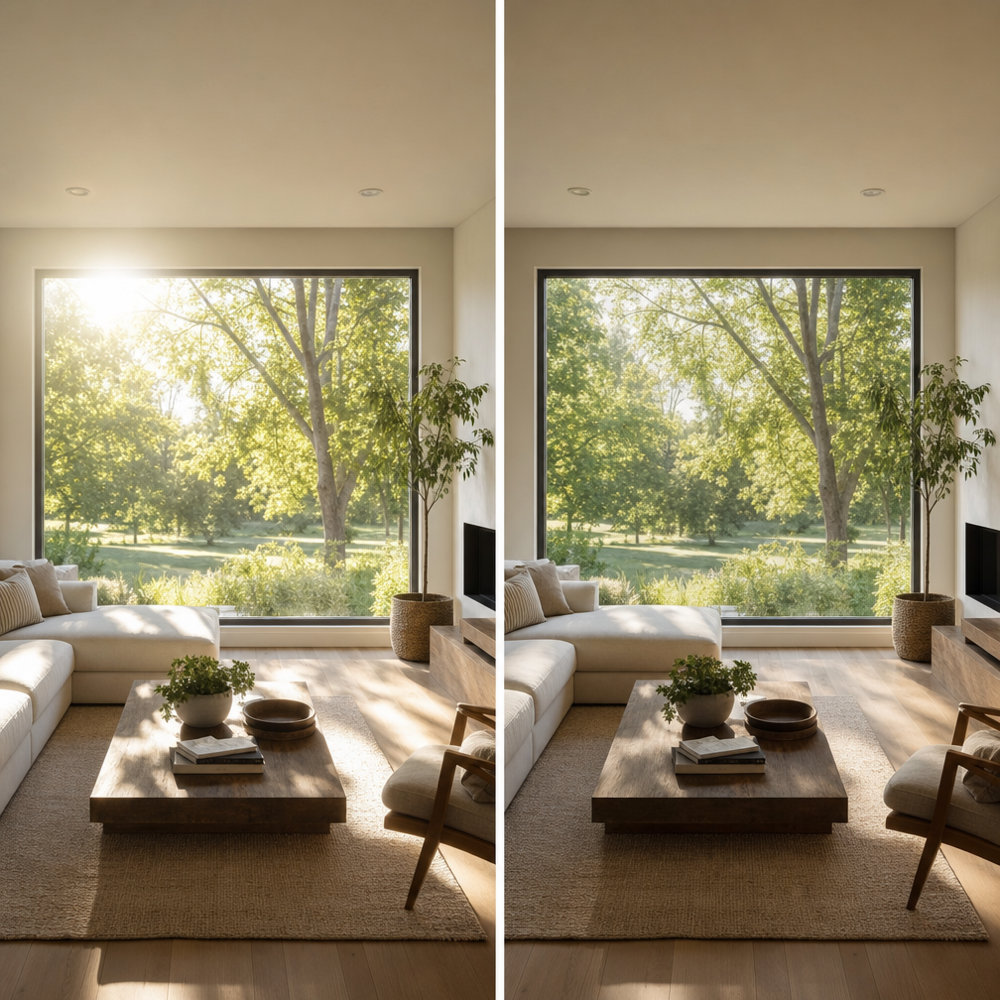
- Energy use and bills
- By cutting heat loss in winter and heat gain in summer, Low‑E glass can reduce heating and cooling demand. Actual savings depend on your home and habits.
- For details, see How New Windows Help Protect Floors and Furniture From UV Damage
- Want numbers for your house? We’ll review options side‑by‑side and provide a clear, written quote: https://viviano-inc.com/free-quote/ (financing info: Are financing options available?)
- UV fade protection for furnishings
- Typical Low‑E glass systems block a large share of UV, often about 84–95% depending on the package, helping protect floors, rugs, artwork, and furniture. It reduces, but doesn’t eliminate, fading.
- Learn more about protecting interiors here: How New Windows Help Protect Floors and Furniture From UV Damage
- Daylight, views, and indoor plants
- Low‑E lets in plenty of natural light while reflecting the most heat‑causing wavelengths, so rooms stay bright without looking tinted or mirrored.
- If glare or overheating is a concern in high‑sun rooms, we can recommend stronger solar‑control options by orientation or pair glass with simple shading strategies. Bring a few room photos and we’ll tailor a plan in minutes.
- Noise expectations, set right
- Low‑E coatings alone don’t reduce sound much. For traffic or yard‑equipment noise, consider laminated glass and/or triple‑pane configurations for a meaningful improvement.
- Get a quick primer on noise‑reducing options: Do Replacement Windows Reduce Outside Noise?
Want to see it in person? Visit our Shrewsbury showroom to compare clear vs. Low‑E samples and talk through the right package for each room. We’re at 7530 Watson Rd, Shrewsbury, MO 63119, Monday–Friday, 8:00 a.m.–4:00 p.m. Prefer to start from home? Call 314‑353‑8350 or request a free, no‑pressure quote: https://viviano-inc.com/free-quote/. Next, we’ll answer practical questions we hear every day, from appearance and plant health to cleaning and where the coatings go.
Low‑E glass FAQs
Will Low‑E make my windows look tinted or mirror‑like?
Most modern Low‑E coatings are nearly invisible. You may notice a very slight neutral tint compared to clear glass, especially in stronger solar‑control packages, but it won’t look mirrored. At night, all insulated glass reflects some interior light; Low‑E doesn’t create a “funhouse mirror” effect, just the normal subtle reflections you already see. Want to see it in person before you decide? Stop by our Shrewsbury showroom for side‑by‑side glass samples, no pressure.
Does Low‑E affect indoor plants or natural daylight?
Low‑E filters ultraviolet (UV) and some infrared heat while allowing visible light through, the part plants use to photosynthesize. Typical houseplants do well with Low‑E windows. If you grow light‑hungry plants, tell us and we can target glass with higher visible light transmission or suggest orientations to keep them happy. Mention your plant rooms during your free in‑home estimate and we’ll tailor recommendations to your space and goals.
Where is the coating located, can it scratch?
On most double‑pane units, the Low‑E “soft‑coat” sits on surface #2 (the inside face of the outer pane) and is sealed inside the insulated glass unit (IGU), so you can’t touch or scratch it during normal cleaning. Some packages add a “room‑side” or 4th‑surface coating on the interior face of the inner pane for extra insulation. That room‑side coating is exposed and should be cleaned gently (no abrasives or blades) to avoid damage. We’ll show you exactly what you have at installation and how to care for it—and we’re happy to walk you through options during a quick consult.
Cleaning and care: what’s safe to use?
Use mild soap and water or a dedicated non‑ammonia glass cleaner with a soft, lint‑free cloth. Avoid abrasives, razor blades, scouring pads, high‑pressure washing, or strong solvents, especially on room‑side coated glass. For a simple, step‑by‑step checklist, see What Products Should I Use to Clean My New Windows? We’ll also leave easy care instructions after installation so you feel confident from day one.
Can I add Low‑E to existing storm windows?
You can’t apply a factory Low‑E coating to glass in the field, but you have options:
- Replace your current storm panel with a purpose‑built Low‑E storm window (a good upgrade for homes with single‑pane primaries).
- Replace the insulated glass unit (IGU) in your primary window with a Low‑E IGU.
Aftermarket films exist, but they can affect clarity and may impact warranties. We’ll help you weigh cost, comfort, and condensation considerations for your specific windows—and we can price both approaches side‑by‑side so you can choose with confidence.
What does the warranty cover for Low‑E glass and seals?
Coverage varies by manufacturer and product line, but most replacement windows include glass and insulated glass seal protection; some offer optional glass‑breakage coverage. Labor terms can differ. We review all warranty details with your quote. For an overview, see Do Replacement Windows Come with a Warranty? Ask us to include a sample warranty with your free quote so you know exactly what’s covered.
Are there safety or building code rules I should know about?
Yes. Tempered (safety) glass is required in certain locations, commonly near doors, in bathrooms (tubs/showers), near floors, at stairs/landings, and other “hazardous locations.” We identify these during measurement and follow local code on every job. Learn more here: What Is Tempered Glass and When Is It Required? If your home was built before 1978, we also follow EPA lead‑safe practices: What do I need to know about lead paint when replacing windows?
Have more Low‑E questions or want a recommendation for your home’s rooms and sun exposure? Call 314‑353‑8350, visit our showroom at 7530 Watson Rd, Shrewsbury (Mon–Fri, 8–4), or request a no‑pressure, free quote at https://viviano-inc.com/free-quote/. We’ll help you pick the right glass package, handle measurement and professional installation, and keep the process simple from start to finish.
Our low‑pressure process and professional installation
You’ll never get a one‑call‑close pitch from us. If you’re exploring Low‑E glass windows for more comfort, less glare, and UV fade protection, here’s how we handle projects in the St. Louis area—clearly, cleanly, and on your terms. Have questions right now? Call 314‑353‑8350 or stop by our showroom.
Step 1: A friendly consult, your way
Visit our showroom at 7530 Watson Rd in Shrewsbury or schedule an in‑home visit. We’ll talk through your goals (comfort, glare, UV fade protection), sun exposure by room, and which Low‑E package fits your home, not a single brand we’re pushing. It’s a free, no‑obligation conversation—book a time that works for you at 314‑353‑8350.
Step 2: Precise measurements and site check
We take exact measurements, check squareness and clearances, evaluate interior and exterior trim, note installation access (inside or outside), and identify any code needs (like tempered glass near tubs or doors). For homes built before 1978, we assess for lead‑safe practices up front. This diligence helps avoid surprises and change orders later. For more on why this matters, see Why Accurate Window Measurements Matter Before You Order, what to expect with older homes in Custom‑Size Replacement Windows for Older Homes, and what happens if sizes are off in What Happens When Replacement Windows Are Ordered the Wrong Size?
Step 3: A clear, written proposal
You’ll see the window style, Low‑E glass package, installation method (insert/pocket vs. full‑frame), what’s included, and a realistic timeline—plus straightforward pricing. No pressure to sign on the spot. Want to compare options side‑by‑side? We’ll lay them out so you can choose with confidence.
Step 4: Order and scheduling
We verify every size before ordering. Most custom windows arrive in a few to several weeks depending on season and manufacturer lead times. We’ll keep you posted and confirm your installation date once the factory gives us a firm ship date. If your timeline is tight, tell us—we’ll do our best to align schedules early.
Step 5: Professional installation, done right
- Trained, insured installers with workers’ comp coverage handle your project. On homes built before 1978, we follow EPA lead‑safe work practices: containment, dust control, HEPA cleanup, and proper disposal.
- Leak prevention and flashing best practices are standard:
- Sill pan or back‑dam protection with a positive drainage path
- Self‑adhered flashing integrated with the weather‑resistive barrier
- Low‑expansion foam and proper sealant with backer rod (we don’t block weep paths)
- Drip cap or head flashing as required by conditions and cladding
See our approach in detail: How Window Installers Prevent Leaks and Water Intrusion
- Inside vs. outside installation:
- Many replacements are installed from the inside to minimize exterior disturbance. Some conditions (such as certain full‑frame projects or storm/siding details) are better served from the exterior. We choose the method that best protects your finishes and ensures a weather‑tight seal—and we’ll explain why before we begin.
- Interior trim and drywall care:
- Insert/pocket installs typically leave interior trim in place. Full‑frame replacements involve careful removal and reinstallation or new trim as specified in your proposal. We protect floors and furnishings, use clean removal techniques, and aim to leave walls paint‑ready. Minor paint or caulk touch‑ups are sometimes needed; we can quote finishing if you prefer.
More on what to expect: Will Window Replacement Damage Interior Trim or Drywall?
Step 6: Cleanup and walkthrough
We remove stickers, vacuum work areas, and haul away your old windows (we can leave them with you upon request). Where possible, we recycle materials. Before we leave, we demonstrate operation and locking, review care for Low‑E glass, and answer questions—so you feel great about your investment from day one.
Credentials and compliance you can count on
- Installers are professionally trained, insured, and covered by workers’ compensation. Want proof of insurance? Just ask.
- We follow lead‑safe procedures on pre‑1978 homes.
- We use proven flashing and sealing methods to help prevent leaks and water intrusion.
Turnaround and day‑of expectations
- Typical lead time from signed proposal to installation is a few to several weeks based on product selection and season. Scheduling fills fast during peak months—reach out now to reserve your spot.
- Most homes install in a day; larger or full‑frame projects can take two or more. We confirm arrival windows, keep you updated, and respect your schedule.
Ready to get started? Call 314‑353‑8350, visit our showroom at 7530 Watson Rd, or request a free quote. In the next section, we’ll break down typical St. Louis pricing, current specials, and financing options so you can plan with confidence.
Pricing, promotions, and financing—without the pressure
We keep pricing simple and fair. As a family‑owned dealer, we put more money into your windows and keep overhead low. No big TV or radio ad budgets and no high‑pressure, one‑call‑close tactics. You’ll get straight answers, clear options, and value at The Intersection of Price and Quality®. Prefer a quick, no‑pressure ballpark? Request a free quote and we’ll follow up on your terms: https://viviano-inc.com/free-quote/
- Get a local ballpark on costs:
- See current savings: Check our latest promotions before you buy. Promotions change—call for complete details. https://viviano-inc.com/specials/
- Pay your way: We offer multiple payment methods and practical financing options. Explore what’s available:
- Replace now or in phases: Many St. Louis homeowners tackle windows room by room or facade by facade, often starting with sunny west/south exposures where Low‑E delivers the biggest comfort gain. Learn how to phase a project smartly: Should You Replace All Your Windows at Once or in Phases?
- Free estimates: We’ll visit, measure, discuss glass options, and leave you with a written proposal you can review on your timeline. Here’s what to expect: What happens during a free window estimate?
Ready to compare Low‑E options side by side? Visit our Shrewsbury showroom to see and feel the difference before you decide. Call 314‑353‑8350 to schedule an appointment or request your free quote online: https://viviano-inc.com/free-quote/
See Low‑E in action at our Shrewsbury showroom
Get a hands‑on feel for how today’s Low‑E glass performs—then decide with confidence. Stop by our family‑owned showroom at 7530 Watson Rd, Shrewsbury, MO 63119 (28+ years serving St. Louis). Walk‑ins welcome Monday–Friday, 8:00 a.m.–4:00 p.m. Prefer to plan ahead? Call 314‑353‑8350 to ask questions, check current lead times, or reserve a quick, no‑pressure demo.
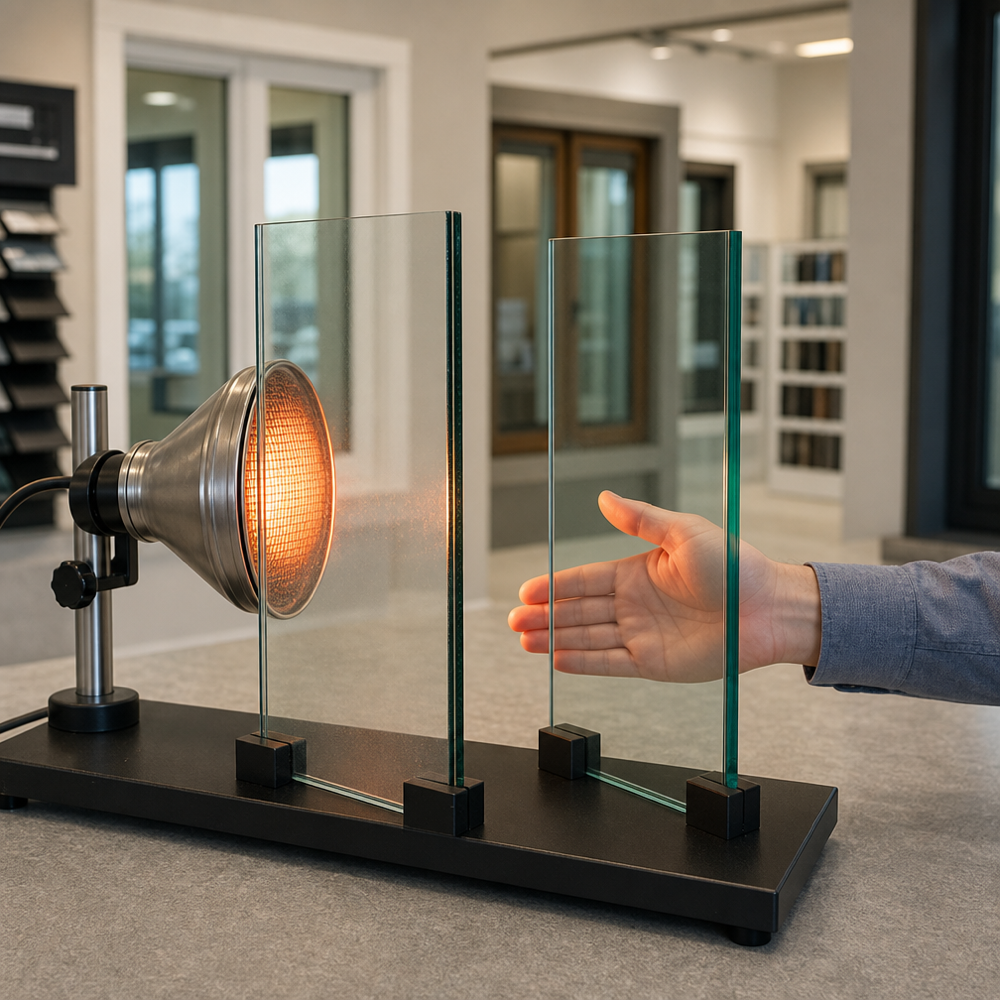
- View real Low‑E glass samples next to clear glass
- Try our heat‑lamp demos to feel the difference in heat transfer
- Compare tints and clarity across popular Low‑E packages
- Bring photos and rough sizes to discuss options and ballpark pricing
- Ask about current specials, Energy Star options, and what to expect for installation timelines
Want inspiration before you visit? Browse our Our Work Gallery for local project photos.
We serve the St. Louis metro and nearby communities, and we’re happy to meet you where you are. Prefer not to travel? Schedule a free, in‑home consultation for the same low‑pressure guidance—right at your windows.
Ready when you are. Call 314‑353‑8350 or request your free quote at viviano-inc.com/free-quote. Ask about current promotions or financing options to fit your budget.
Ready when you are
Have questions or want to see Low‑E options in person? We make it easy and pressure‑free—just clear answers and pricing that fit your home.
- Call 314‑353‑8350 to talk with a window specialist about Low‑E choices, performance, and pricing.
- Request a Free Quote online: https://viviano-inc.com/free-quote/ (attach photos and rough sizes for the fastest ballpark).
- Visit our showroom: 7530 Watson Rd, Shrewsbury, MO 63119. Hours: Mon–Fri, 8:00 a.m.–4:00 p.m. (closed Sat–Sun). Walk in or call ahead to ensure a specialist is available.
- Ask about current specials and payment options: https://viviano-inc.com/specials/ and https://viviano-inc.com/what-types-of-payment-methods-and-financing-plans-are-available/
What you can expect from us:
- No commissioned, one‑call‑close tactics. Take your time, compare options, and decide when you’re ready.
- Clear, written quotes and straightforward timelines from a local, family‑owned team serving Greater St. Louis.
- Multiple trusted brands, including Sunrise and Polaris, plus major Low‑E glass technologies from leading U.S. manufacturers—so we match performance to your home, not push a single line. Curious about origin? See Are the windows made in the USA?
Helpful next reads before you visit:
- What is Low‑E glass and why is it important?
- Are replacement windows Energy Star approved?
- Replacement Windows overview
- See which window styles might fit your home best
- Hear from your St. Louis neighbors
- Full‑Frame vs. Insert Replacement Windows
- Replacement Window Glass Options Explained
- Which Window Frame Material Lasts the Longest?