

Understanding Window Panes: Double vs. Triple
When it comes to choosing windows for your home, the number of panes can significantly affect energy efficiency, comfort, and overall cost. Double-pane and triple-pane windows are two popular options in the market today, each offering distinct advantages and disadvantages. To make an informed decision, it’s essential to understand what differentiates these two types and assess which one aligns best with your needs.
What Are Double-Pane Windows?
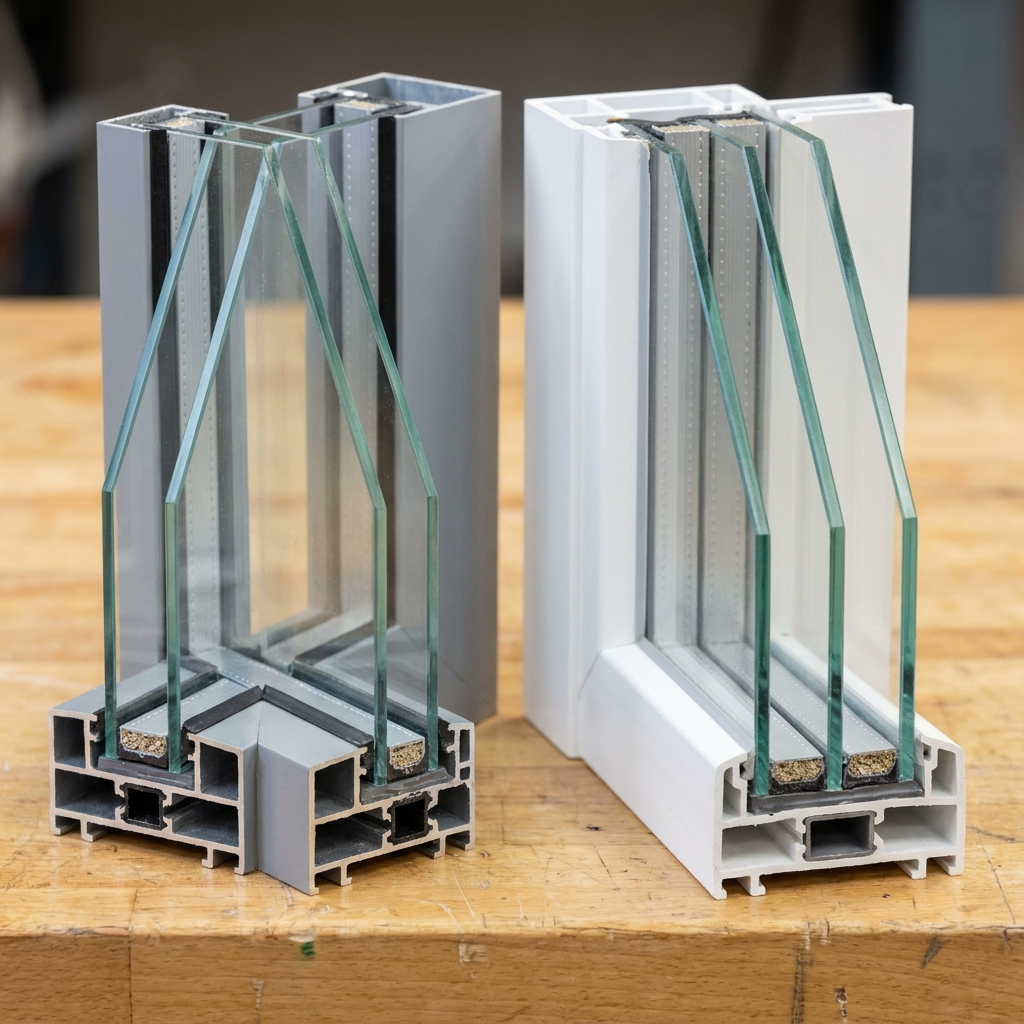
Double-pane windows consist of two sheets of glass separated by a spacer. The space between the panes is filled with an inert gas, most commonly argon or krypton, to improve insulation by reducing heat transfer.
These windows are the industry standard for many new homes as they offer a balance between cost and energy efficiency. They work by trapping insulating air between the panes, which reduces the heat that passes through the window, helping keep your home warmer in winter and cooler in summer.
What Are Triple-Pane Windows?
Triple-pane windows include three sheets of glass with two spaces filled with inert gas. By adding a third pane, these windows increase the insulation factor and can dramatically improve energy efficiency and sound dampening.
They are often recommended for cold climates or homes near busy streets where noise reduction is a priority. Although they cost more upfront, the energy savings and comfort they provide can justify the investment over time.
Key Benefits of Double-Pane Windows
- Energy Efficiency: Double-pane windows reduce heat loss up to 40% compared to single-pane windows.
- Cost-Effective: They offer a reasonable price point for those seeking energy improvements without a hefty upfront investment.
- Improved Sound Insulation: Double-pane windows can reduce outside noise to a noticeable degree, suitable for most suburban areas.
- UV Protection: Many double-pane models reduce UV rays that can cause fading of furniture and carpets.
Advantages of Triple-Pane Windows
- Superior Insulation: Triple-pane windows typically have a lower U-factor (better insulating capacity), meaning better thermal performance.
- Enhanced Noise Reduction: Excellent at minimizing noise, especially beneficial if you live near highways, airports, or urban centers.
- Condensation Resistance: Triple-pane windows maintain warmer interior glass surfaces, reducing the chances of condensation build-up during cold weather.
- Protection Against Temperature Fluctuations: They provide more consistent indoor temperatures, enhancing overall comfort.
Comparing Performance Metrics
U-Factor (Thermal Transmittance)
The lower the U-factor, the better the window’s ability to keep heat inside. Double-pane windows typically have a U-factor ranging from 0.30 to 0.50, while triple-pane windows lower that factor to 0.20 to 0.30, signifying enhanced thermal performance.
Solar Heat Gain Coefficient (SHGC)
SHGC measures how much solar radiation passes through the window. Both double and triple-pane windows can be made with coatings to reduce SHGC, but triple-pane offers more consistent thermal control, especially useful in climates with hot summers and cold winters.
Sound Transmission Class (STC)
STC ratings reflect soundproofing ability. Double-pane windows typically reach STC ratings of 28-32, whereas triple-pane windows can reach 35-40 or higher, substantially decreasing noise pollution for the homeowner.
Factors to Consider When Choosing Between Double-Pane and Triple-Pane
1. Climate
In colder regions with long winters, triple-pane windows provide extra insulation that can reduce heating bills. For moderate climates, double-pane windows often suffice for energy efficiency.
2. Budget
- Double-pane windows are generally 15-25% less expensive to purchase and install.
- Triple-pane windows come with a higher upfront cost but can provide savings over time through reduced energy bills.
3. Noise Reduction Needs
If your home is located near busy streets, airports, or noisy environments, triple-pane windows will notably improve indoor sound levels compared to double-pane options.
4. Aesthetic and Weight Considerations
Triple-pane windows are heavier due to the extra glass pane, which may affect the window frame and installation method. They may also slightly reduce the visible glass area because of the additional layers.
5. Environmental Impact
Triple-pane windows, due to their superior energy efficiency, can lower your carbon footprint more significantly over the years. However, they require more materials and energy during manufacturing.
Myth Busting: Common Misconceptions
“Triple-pane windows are always the best choice” — While triple-pane windows excel in insulation, they might not always be necessary or the most cost-effective option. It depends heavily on your specific climate, home design, and budget.
Other misconceptions include the belief that double-pane windows are obsolete or that triple-pane windows are invulnerable to condensation. It’s vital to consult with a window professional who can evaluate your home’s unique requirements.
Maintenance and Longevity
Both double and triple-pane windows require similar maintenance, including:
- Regular cleaning of glass panes
- Inspection of frames and hardware
A well-maintained triple-pane window can last 20-30 years or longer, potentially outliving the expected lifespan of double-pane options due to improved construction standards.
Conclusion: Making the Right Choice for Your Home
The choice between double-pane and triple-pane windows hinges on balancing budget, energy goals, noise concerns, and local climate. Double-pane windows remain a solid, budget-friendly choice for energy savings and improved comfort, while triple-pane windows offer enhanced insulation and noise reduction at a higher price.
For homeowners seeking long-term savings and maximum comfort in harsh climates or noisy areas, triple-pane windows are often worth the investment. In contrast, double-pane windows suit many standard environments and budgets effectively.
Ultimately, consulting with a window specialist can help you weigh the benefits specific to your home’s requirements and achieve the perfect balance between performance and cost.