
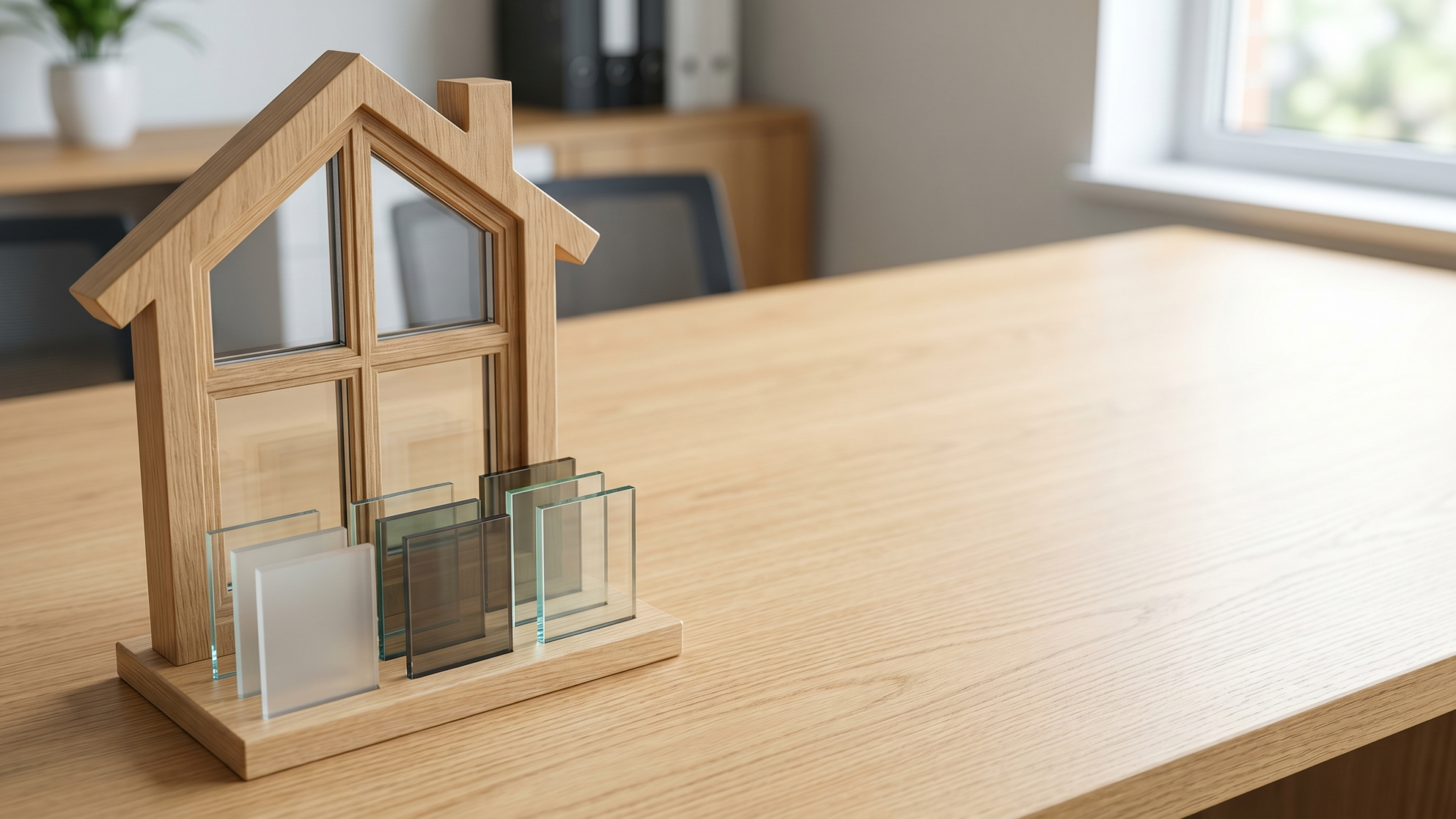
Introduction to Replacement Window Glass Options
When homeowners consider upgrading their windows, the choice of replacement window glass is one of the most critical decisions they’ll make. With advancements in technology, various glass types now offer improved energy efficiency, durability, noise reduction, and aesthetic appeal. Understanding the different options available can help homeowners select the best glass suited for their needs and local climate.
Why Choose Replacement Window Glass?
Windows play a crucial role in maintaining a home’s comfort, security, and style. Over time, glass panels can crack, fog, or lose their insulating properties. Replacing just the glass rather than the entire window frame can be a budget-friendly renovation that drastically improves your home’s energy efficiency and curb appeal.
Benefits of choosing the right replacement glass include:
- Improved energy efficiency
- Better noise insulation
- Enhanced safety and security
- Reduced condensation and fogging
- Increased home value
- Customization to match architectural style
Main Types of Replacement Window Glass
Replacement window glass comes in several varieties, each with unique properties tailored to different homeowner priorities.
1. Single Pane Glass
Single pane glass is the most basic form of window glass. It consists of one layer of glass and offers minimal insulation. While often the least costly, it typically falls short when it comes to energy efficiency and noise reduction.
2. Double Pane Glass
Double pane glass is by far the most popular replacement choice. It consists of two glass sheets separated by a spacer filled with air or inert gas like argon or krypton. This configuration offers much better insulation and reduces heat transfer.

3. Triple Pane Glass
For homeowners looking for the highest level of insulation, triple pane glass adds a third layer and an additional sealed air space. This type is particularly beneficial in very cold climates or noisy areas. Triple pane options may be more expensive but significantly reduce energy loss.
4. Laminated Glass
Laminated glass consists of two or more layers of glass with an interlayer of plastic. This design greatly enhances safety as the glass tends to hold together when shattered. Laminated glass also offers soundproofing benefits and can block UV radiation, helping protect furnishings.
5. Tempered Glass
Tempered glass is chemically or heat treated to be much stronger than regular glass. It breaks into blunt, pebble-like pieces instead of sharp shards, making it a favored option for safety and security reasons, particularly in areas prone to impact.
Advanced Features & Coatings
Modern glass options feature specialized coatings and gas fills that enhance performance dramatically. Let’s explore some of these advancements:
Low-E (Low Emissivity) Coatings
Low-E coatings are microscopically thin metal layers applied to glass surfaces that reflect infrared heat while allowing visible light through. This helps keep homes warmer in winter and cooler in summer, reducing energy costs.
Gas Fills: Argon, Krypton, and Xenon
The sealed space between panes can be filled with inert gases such as argon, krypton, or xenon. These gases have lower conductivity than air, improving the window’s insulation.
Tinted and Reflective Glass
Tinted glass reduces glare and solar heat gain by adding color to the glass. Reflective glass uses a metallic coating to reflect solar radiation. Both can reduce cooling costs but may impact natural light.
Self-Cleaning Glass
Coated with special minerals that react with sunlight and rain, self-cleaning glass breaks down organic dirt and washes it away with rainwater. This feature requires less maintenance.
Factors to Consider When Choosing Replacement Window Glass
Homeowners should evaluate the following to choose the best glass option:
- Climate and location: Cold climates benefit from more panes and gas-filled insulating glass, while sunny regions might prioritize Low-E coatings and tints.
- Budget: Single and double pane glass are more affordable, while triple pane and laminated glass carry premium costs.
- Safety: Tempered or laminated glass offers enhanced security in vulnerable areas.
- Energy efficiency goals: Look for ENERGY STAR® certified windows where possible.
- Noise reduction needs: Laminated and triple pane glass are most effective for soundproofing.
- Local building codes: Certain areas require specific glass types for fire resistance or impact resistance.
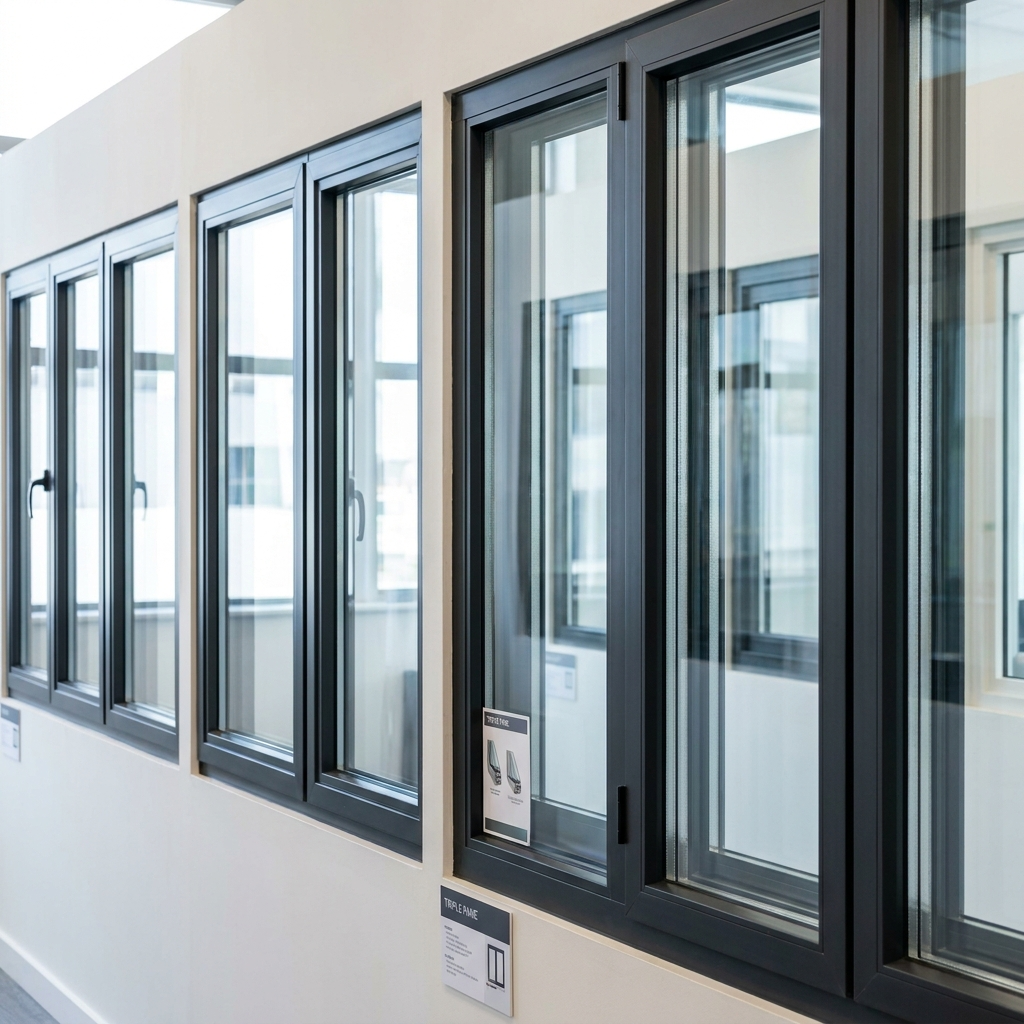
Installation and Maintenance Tips
Professional installation is critical for replacement window glass to ensure proper sealing, prevent air leaks, and maintain warranty coverage. Poor installation can undermine even the best glass’s performance.
Homeowners can maintain their windows by:
- Regular cleaning with non-abrasive cleaners
- Inspecting seals and caulking annually
- Addressing any cracks or chips promptly
- Ensuring hardware and frames are in good condition
Environmental and Energy Impact
Selecting high-efficiency glass can reduce your home’s carbon footprint. According to the Department of Energy:
“Windows with energy-efficient glazing can reduce heat loss by 10-25% compared to single-pane windows.”
Over time, investing in quality replacement glass helps cut energy bills and supports more sustainable living.
Conclusion: Making the Right Choice for Your Home
Replacement window glass options today offer homeowners an impressive range of features that balance cost, performance, appearance, and safety. By understanding the types of glass and coatings available, as well as assessing your home’s specific needs, you can make an informed decision that improves comfort, saves money, and enhances property value.
When in doubt, consulting with a professional window installer or energy auditor can help tailor the best glass solution for your unique circumstance.