
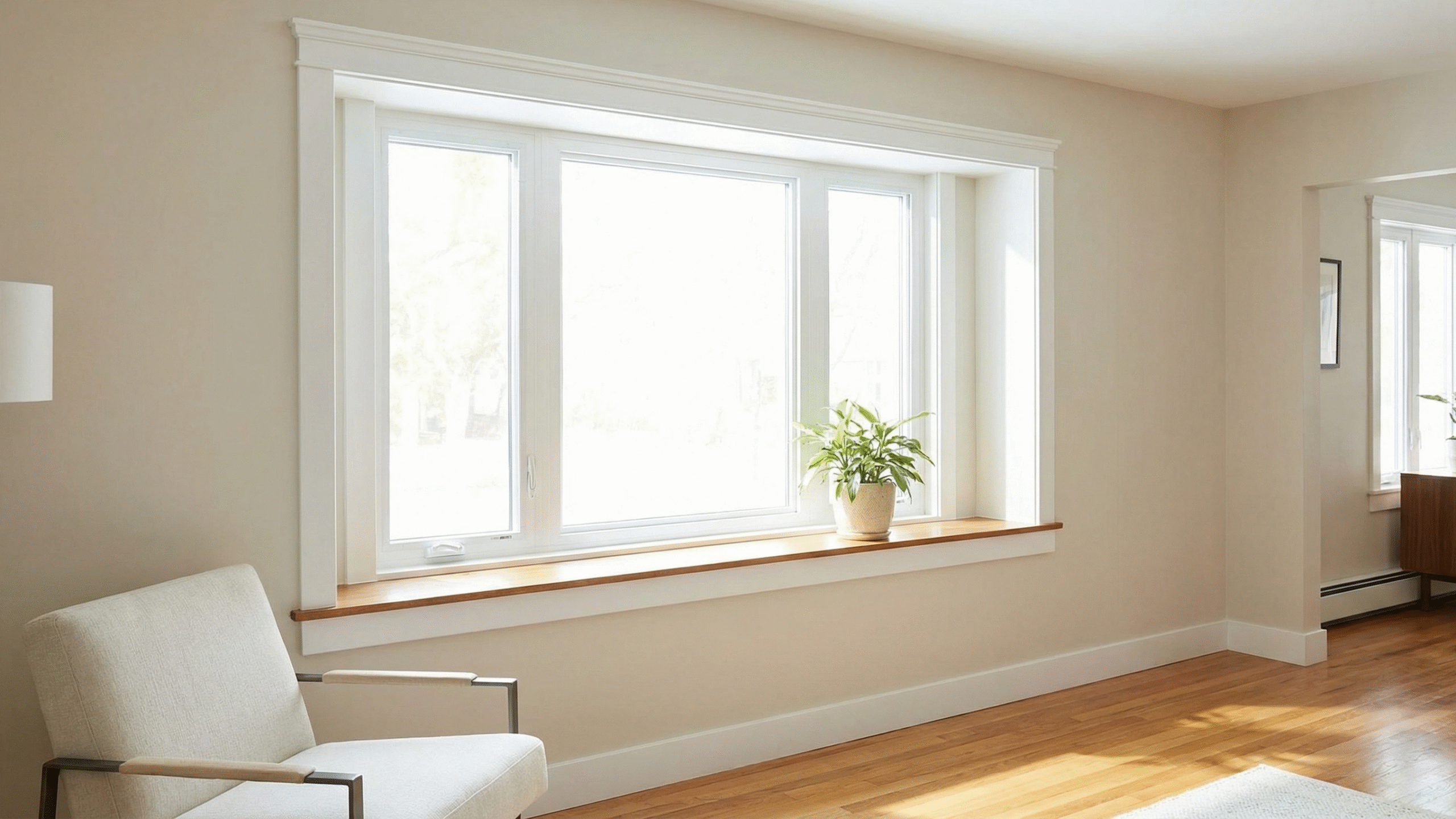
If your home was built before 1978, there is a strong chance that lead-based paint may be present around your windows. This is especially important to understand when planning a window replacement project. At Viviano Windows, we take lead-paint safety seriously and follow strict procedures to protect homeowners, families, and workers during installation.
This guide explains what lead paint is, why it matters during window replacement, and what you should expect when replacing windows in an older home.
Why Lead Paint Is a Concern Around Windows
Lead-based paint was widely used in homes before it was banned for residential use in 1978. Over time, this paint can deteriorate, chip, or turn into dust—especially around windows that open and close frequently.
Windows are one of the most common areas where lead hazards develop because:
-
Friction from opening and closing creates lead dust
-
Older wood window frames often have multiple layers of paint
-
Window sills and troughs collect dust and debris
-
Replacement work can disturb painted surfaces
Lead dust is invisible and can spread easily if proper precautions are not taken.
Important: Lead paint is most dangerous when it becomes dust or chips. Professional window replacement companies use specialized containment and cleanup procedures to prevent exposure.
How to Tell If Your Home May Have Lead Paint
While only testing can confirm the presence of lead paint, certain factors increase the likelihood:
-
Your home was built before 1978
-
Original wood windows are still installed
-
Paint appears cracked, peeling, or layered
-
You’ve never had a lead inspection or renovation
Homes built before 1950 have an even higher likelihood of containing lead-based paint.
Federal Safety Regulations for Window Replacement
Professional window companies must follow the EPA’s Renovation, Repair, and Painting (RRP) Rule when working on homes built before 1978. These regulations are designed to prevent lead contamination during renovations.
Certified installers are required to:
-
Contain the work area with plastic sheeting
-
Minimize dust using specialized removal techniques
-
Avoid unsafe practices like sanding without containment
-
Clean thoroughly using HEPA vacuums and wet wiping
-
Properly dispose of contaminated debris
At Viviano Windows, our installation procedures follow all required safety standards to ensure your home remains clean and safe.
What Homeowners Should Expect During Replacement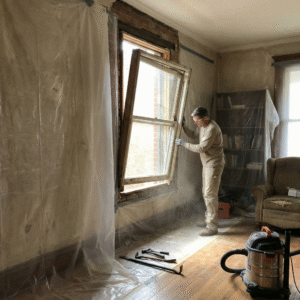
If lead paint is present or suspected, your installation may include additional safety measures.
These precautions often include:
-
Protective barriers around the work area
-
Controlled removal of old window components
-
Specialized cleanup procedures
-
Careful sealing and insulation of new window openings
These steps protect your home’s indoor air quality and prevent lead dust from spreading.
Benefits of Replacing Older Lead-Painted Windows
Replacing older windows doesn’t just improve efficiency—it also reduces long-term safety risks.
Key benefits include:
-
Eliminating friction points that create lead dust
-
Removing deteriorating painted surfaces
-
Improving insulation and energy efficiency
-
Enhancing home comfort and air quality
-
Increasing property value
New modern windows are safer, easier to maintain, and far more energy efficient than older painted wood windows.
Why Professional Installation Matters
Lead-safe installation requires proper training, equipment, and procedures. Attempting DIY window replacement in a home with lead paint can increase exposure risks.
Working with an experienced company like Viviano Windows ensures:
-
Proper containment and safety practices
-
Compliance with federal regulations
-
Safe removal and disposal of materials
-
Clean, professional installation
Our team prioritizes both safety and performance, ensuring your new windows provide long-lasting comfort and peace of mind.
Final Thoughts
Lead paint is a serious concern in older homes, but it should never prevent you from upgrading your windows. With proper handling and professional installation, window replacement can actually reduce lead exposure risks while improving your home’s comfort and efficiency.
If your home was built before 1978, Viviano Windows can help guide you through a safe, compliant, and professional window replacement process from start to finish.
Please Call For Complete Details of All Sales