

Understanding Custom-Size Replacement Windows for Older Homes
Older homes often feature unique architectural elements that contribute to their charm and character.
Among these elements, windows play a critical role in defining the home’s style, energy efficiency, and overall comfort.
When it comes time to replace windows in older homes, standard-sized replacement windows frequently do not fit the original openings well.
This is where custom-size replacement windows become essential.
Why Standard Windows Often Don’t Fit Older Homes
Older homes were built in eras when construction standards varied widely from today’s practices.
Materials shrunk, expanded, or settled over time, and original window sizes were often crafted to fit locally sourced lumber and customized architectural details.
As a result, the window openings can be irregular, non-standard sizes that do not match modern window dimensions.
Installing a traditional off-the-shelf window may result in:
- Visible gaps around the window frame
- Drafty conditions and decreased energy efficiency
- Compromised aesthetic appeal due to poor alignment or fitment
- Additional labor and materials needed for adjustments and shimming
What Are Custom-Size Replacement Windows?
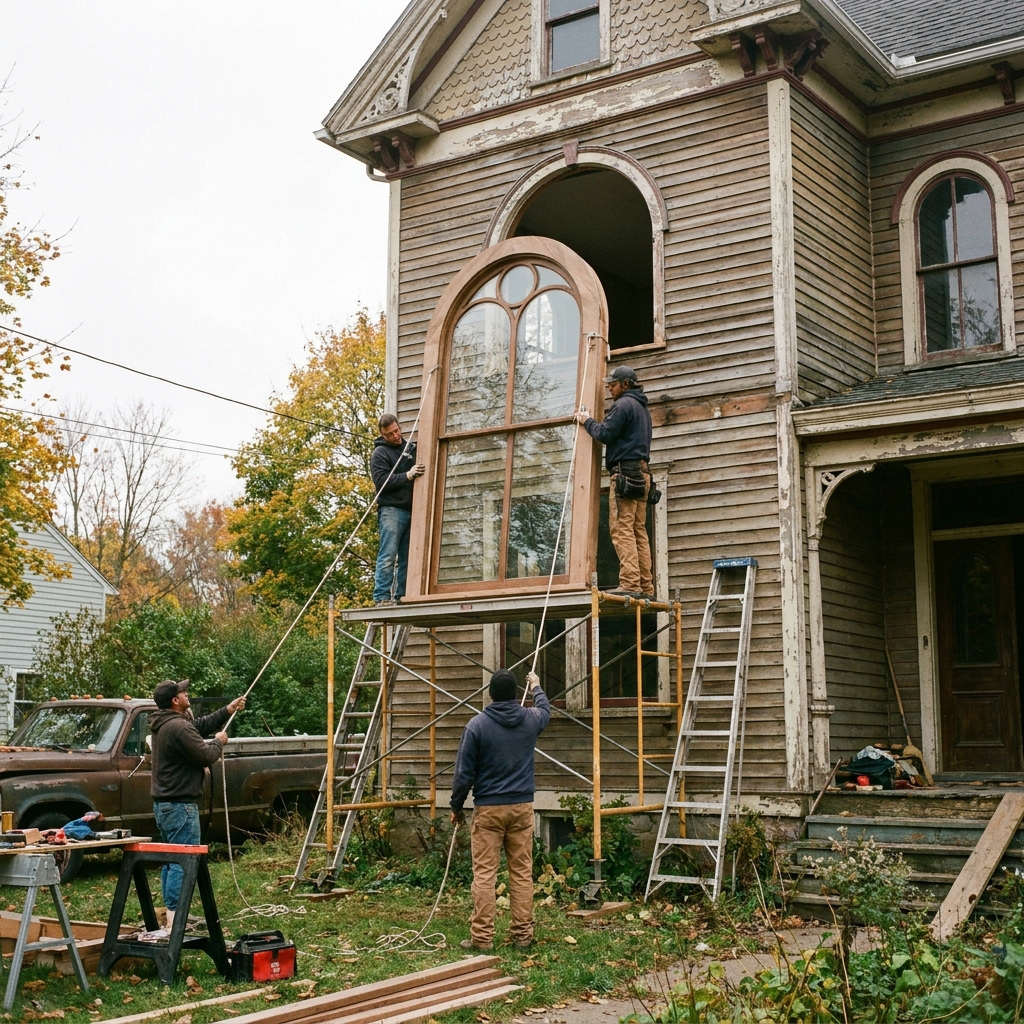
Custom-size replacement windows are windows manufactured to the exact specifications of your window openings.
These windows are tailored to ensure a precise fit that preserves the original architectural detail and minimizes installation challenges.
Key characteristics include:
- Exact measurement matching the height, width, and depth of the existing window opening
- Options to match historic styles, such as divided light patterns or wood grain finishes
- Material customization from vinyl, wood, aluminum, fiberglass, or composite blends
- Enhanced energy efficiency tailored to your home’s needs
The Measurement Process
Precise measurement is vital for the success of custom-window replacement.
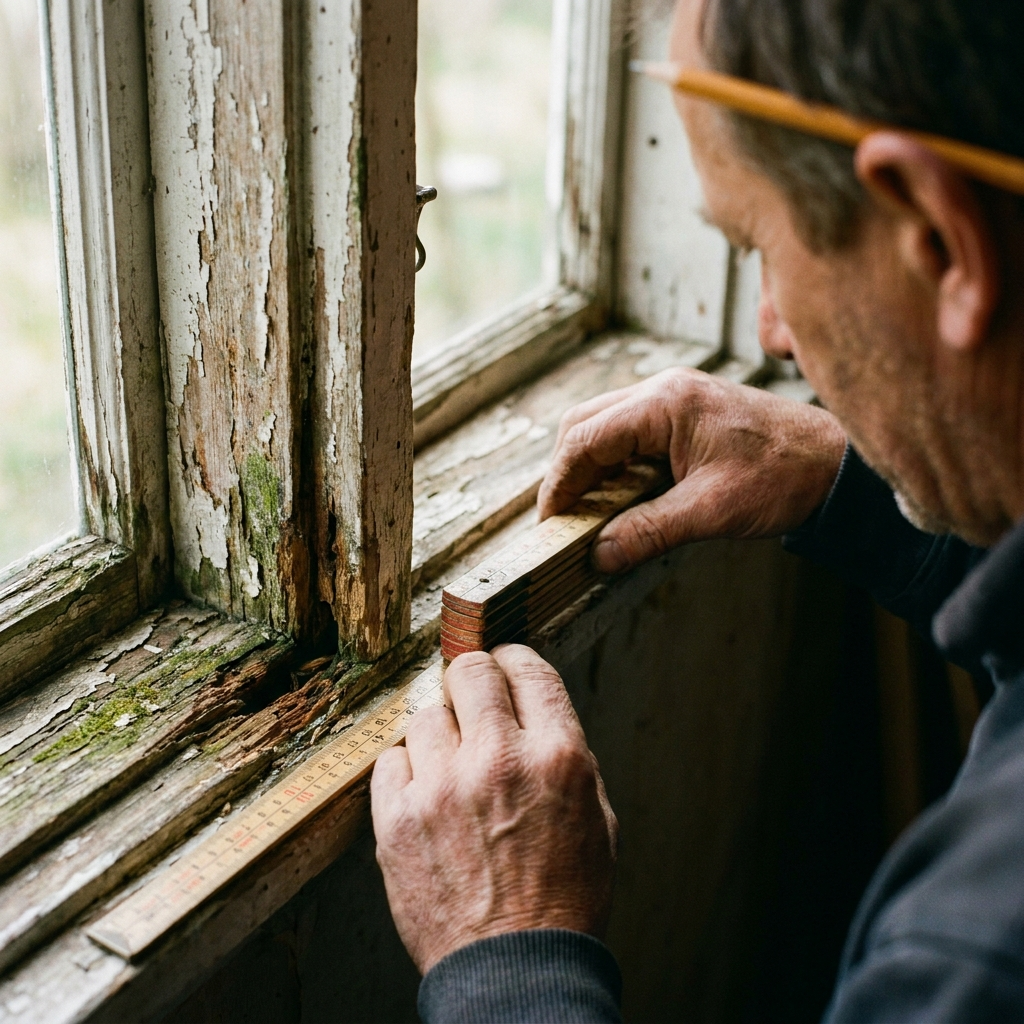
Professionals usually take multiple measurements of each window opening to account for irregularities such as bowed frames, uneven walls, or settling.
The measurement process often involves:
- Measuring the width at the top, middle, and bottom of the frame
- Measuring the height on the left, center, and right sides
- Checking the depth or thickness of the window jamb for frame compatibility
- Documenting any unique features like arches, custom trim, or sills
Benefits of Choosing Custom-Size Replacement Windows
Given the complexity of older home window replacements, custom windows offer several important advantages:
- Perfect fit: Reduces air leaks and drafts, improving comfort and savings on heating and cooling bills.
- Preservation of architectural integrity: Maintains the home’s authentic look rather than altering it with modern, ill-fitting window sizes.
- Reduced labor costs: Since windows fit correctly upon arrival, less time is spent modifying the opening during installation.
- Longevity and durability: Custom windows often come with higher quality materials and craftsmanship tailored specifically to your home’s needs.
- Customization flexibility: Choose styles, finishes, and glazing options that are historically accurate or meet modern performance standards.
Materials and Styles to Consider
Older homes frequently benefit from window materials that match the era and aesthetic:
- Wood: Traditional and authentic look, can be painted or stained, but requires maintenance
- Fiberglass: High durability and low maintenance, can be painted to mimic wood grain
- Vinyl: Energy efficient and low cost, but limited in color options and may look less authentic
- Aluminum: Suitable for historic restorations in certain conditions, often used for storm windows
Depending on the home’s architectural style, you might also explore:
- Double-hung sash windows with divided lites
- Casement or awning windows with period-appropriate hardware
- Bay or bow windows custom crafted to original size
Common Challenges When Installing Custom Windows in Older Homes
While custom-size replacement windows solve many issues, there are still challenges homeowners should expect:
- Longer lead times: Custom fabrication can take several weeks or months depending on complexity and manufacturer backlog.
- Increased cost: Custom windows generally cost more than standard sizes due to bespoke manufacturing.
- Compliance with historic preservation regulations: In some towns or historic districts, windows must meet stringent rules for appearance and materials.
Expert Tips to Prepare for Your Replacement Window Project
- Hire a reputable professional: Work with contractors experienced in historic home renovations.
- Order samples: Review material and finish samples ahead of ordering to confirm the look and feel matches your home.
- Keep detailed measurements: Even if a contractor measures, it’s helpful to have duplicates for your reference.
- Check warranty and installation guarantees: Ensure coverage for custom windows given their specialized nature.
- Consider energy codes: Verify that your custom windows meet local energy efficiency requirements while maintaining historic accuracy.
In Conclusion
“Custom-size replacement windows are not just a luxury; in older homes, they are often a necessity to preserve the unique character, improve energy efficiency, and enhance overall home comfort. While they require careful planning and a higher initial investment, the long-term benefits are undeniable.”
Replacing windows in an older home with custom-sized options ensures that you maintain that delicate balance between preserving history and upgrading performance.
From aesthetic accuracy to improved insulation and value, custom windows offer a solution designed for your home’s unique needs.