
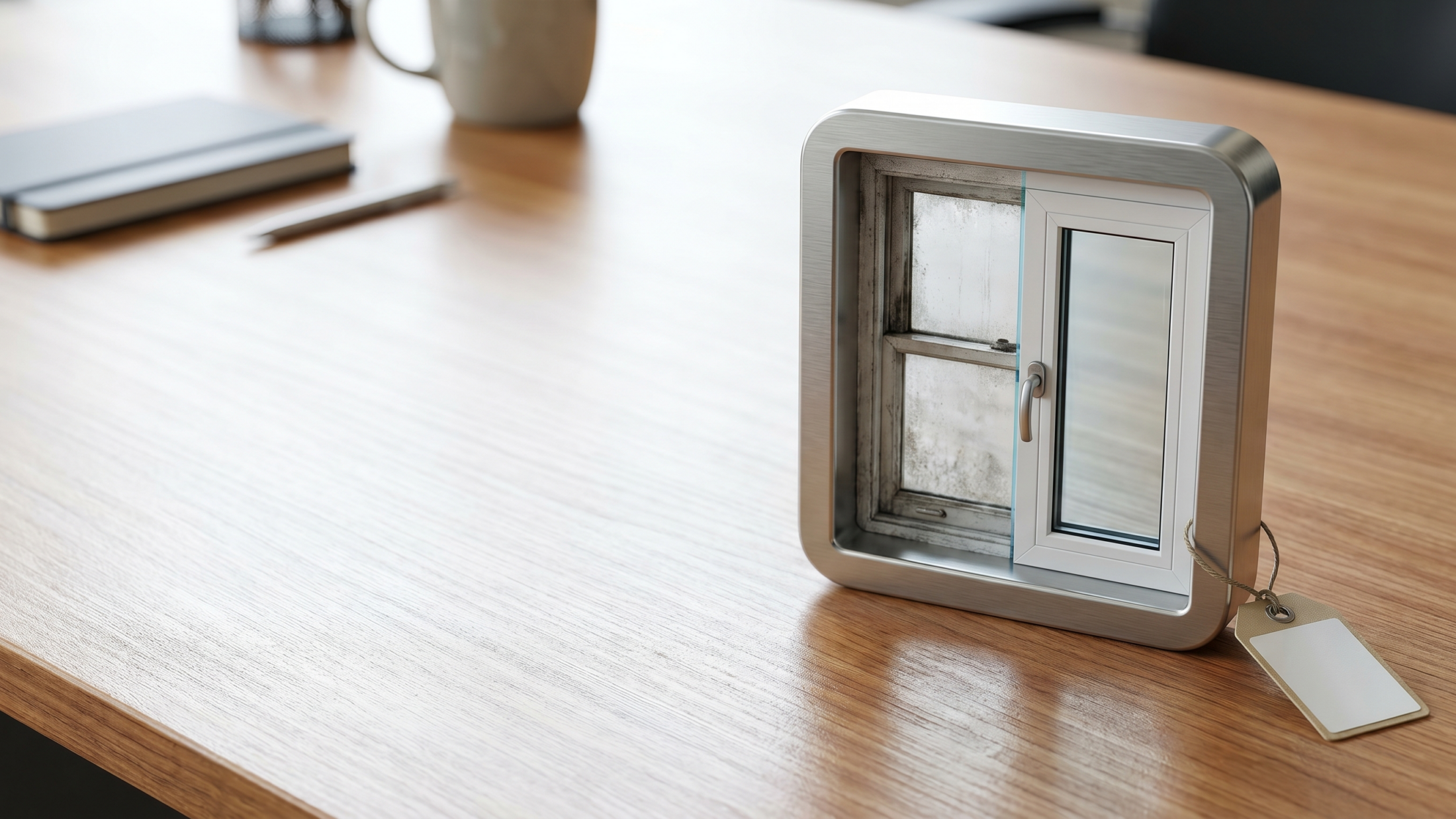
Introduction to Basement Window Replacement
Basement windows play an essential role in enhancing the natural light, ventilation, and overall safety of your basement. Over time, these windows may become damaged, inefficient, or outdated, prompting many homeowners to consider replacement options. Choosing the right window type and material is crucial for maintaining energy efficiency, water resistance, and security.
Why Replace Basement Windows?
Basement windows are unique in their positioning and requirements. If left unchecked, problems like leakage, drafts, or difficulty in emergency egress can arise. Replacement windows can:
- Improve natural light and air circulation
- Enhance security features
- Boost energy efficiency, reducing heating and cooling costs
- Increase the aesthetic appeal and value of your home
- Ensure compliance with local building codes, especially fire egress requirements
Types of Basement Windows
Before diving into replacement options, it’s important to understand the different types of basement windows available:
- Slider Windows: Feature sashes that slide horizontally. They offer a wide opening for ventilation and are easy to operate.
- Awning Windows: Hinged at the top and swing outward, awning windows allow ventilation even during rain.
- Hopper Windows: Bottom-hinged windows that tilt inward, often used in basements for ventilation and egress.
- Double-Hung Windows: Consist of two vertically sliding sashes, though less common in basements.
- Casement Windows: Hinged on the side and open outward like a door, providing excellent ventilation.
Best Replacement Window Options for Basements
1. Egress Windows
One of the most important considerations for basement windows is emergency egress capability. Egress windows must meet specific size and operational requirements to provide a safe escape route during emergencies like fires.
Features:
- Large enough opening (minimum 5.7 sq. ft. net clear opening in many jurisdictions)
- Easy to open without the use of keys or tools
- Sturdy build for security
Egress windows often combine functionality and safety and can substantially increase basement livability.

2. Vinyl Basement Windows
Vinyl windows are one of the most popular replacement options due to their durability, affordability, and low maintenance requirements:
- Excellent resistance to moisture and humidity — critical for basement environments
- Energy-efficient with proper weatherstripping and multi-pane glazing options
- Available in multiple styles including slider, awning, and hopper windows
- Do not require painting and resist fading
3. Aluminum Basement Windows
Aluminum windows are lightweight, strong, and can provide a more modern or industrial aesthetic:
- Resistant to rust and corrosion when properly treated
- Thin frames allow for larger glass areas, maximizing natural light
- Less energy-efficient than vinyl but can be enhanced with thermal breaks
4. Wood Basement Windows
Traditional wood framed windows add charm and natural beauty but require more maintenance:
- Provide excellent insulation properties
- Can be painted or stained to match home décor
- Need frequent maintenance to prevent rot or warping in humid basement settings
Composite and Fiberglass Windows
Composites combine materials like wood and vinyl to offer strength and durability with low maintenance:
- Highly durable and resistant to moisture
- Energy-efficient and visually appealing
- Typically more expensive but provide longer lifespan
Factors to Consider When Choosing Basement Replacement Windows
Energy Efficiency
Basements tend to be cooler and damper than other parts of the house, so it is vital to select windows with good thermal performance. Look for:
- Double or triple glazing
- Low-E coatings to reduce heat transfer
- Proper weatherstripping and insulated frames
Moisture Resistance and Durability
Basements are prone to moisture, so windows must resist water infiltration and warping:
- Choose materials that withstand humidity such as vinyl and fiberglass
- Make sure the window installation includes proper sealing and drainage systems
Security and Safety
Since basement windows are often at ground level, they can be an entry point for intruders:
- Use impact-resistant glass or laminated panes
- Install secure locks and reinforcement bars if needed
- Prioritize egress windows for emergency escape
Style and Aesthetic
Basement windows contribute to the home’s exterior and interior ambiance:
- Select window styles that complement home architecture
- Consider grille patterns and colors
- Choose frame finishes matching existing windows for consistency
Installation and Maintenance Tips
Proper installation is key to a leak-free, secure basement window. It’s recommended to have basement windows replaced by a professional to ensure:
- Accurate measurements and fitment
- Proper flashing and water barriers
- Appropriate drainage to channel water away from the foundation
- Secure hardware fastening and insulated sealing
Maintenance Suggestions:
- Inspect window seals and caulking annually
- Clean window tracks and sashes regularly to prevent sticking
- Check for signs of moisture intrusion or mold
- Lubricate hardware for smooth operation

“Replacing your basement windows is an investment that enhances safety, comfort, and the lasting value of your home. Choose wisely and install professionally to enjoy the benefits for years to come.” – Home Improvement Expert
Conclusion
Choosing the best replacement window option for your basement involves balancing functionality, aesthetics, and budget. Egress windows provide crucial safety and ventilation, while materials like vinyl and composite offer durability in damp environments. Energy efficiency and security should never be compromised.
With proper selection and expert installation, new basement windows can transform an often neglected part of the home into a bright, comfortable, and safe living space. Whether you’re upgrading to meet code requirements or simply enhancing your home’s appeal, numerous window styles and materials are available to suit your needs.