

Understanding the Importance of Proper Window Installation
Windows are more than just aesthetic elements in any building; they are fundamental to the structural integrity and energy efficiency of homes and commercial properties. One of the most critical challenges in window installation is preventing leaks and water intrusion, which can lead to costly damage, mold growth, and deterioration of the building envelope. Proper installation techniques, materials, and attention to detail are essential for achieving a watertight seal.

Common Causes of Leaks and Water Intrusion in Windows
Before diving into how installers prevent water issues, it’s important to recognize the root causes of leaks:
- Poor Flashing Installation: Flashing directs water away from window openings; improperly installed flashing can allow water to penetrate.
- Inadequate Sealants: Missing or deteriorated caulking and sealant can create entry points for moisture.
- Incorrect Window Positioning: Installing windows out of level or plumb creates gaps where water can seep in.
- Damaged or Missing Building Wrap: The weather-resistant barrier around the wall prevents water infiltration; absence or tears in it increase risk.
- Poor Drainage Planning: Failure to design windows with proper sill slopes and drainage paths promotes water pooling.
Techniques Window Installers Use to Prevent Leaks
1. Thorough Assessment and Preparation
Professional window installers start by evaluating the existing wall conditions and window rough openings. They ensure that the framing is sound, clean, and dry before installation. This initial inspection helps identify potential water intrusion issues before they occur.
2. Proper Use of Flashing and Weather Barriers
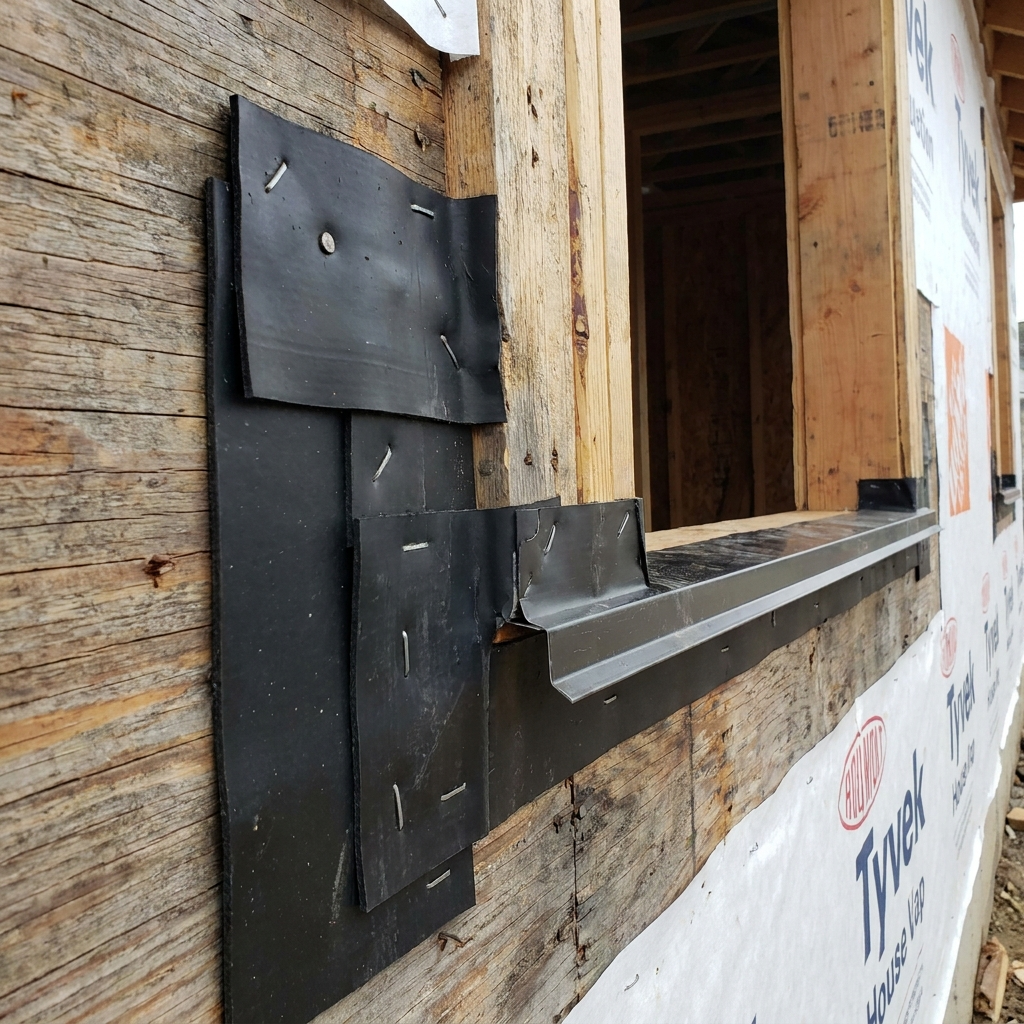
Flashing acts as a shield that diverts water away from critical junctions around the window. Installers apply a combination of different flashing materials:
- Self-adhered membrane flashing tape: Used around the perimeter of the window opening for a watertight seal.
- Metal flashing: Sometimes employed as a drip edge above windows.
- Integrated window flange membranes: Modern windows often have built-in flanges that are sealed against the weather barrier.
Correct sequencing is vital. The bottom flashing (also known as the sill pan) must be installed first to catch any water, then side and top flashings are properly overlapped.
Key Flashing Steps
- Apply sill pan flashing with a slight slope to direct water outward.
- Seal side jambs with flashing tape extending up and over the window flange.
- Install head flashing that overlaps the sides, functioning as a rainscreen cap.
- Ensure that all flashing overlaps follow the principle of water shedding—top layers overlap bottom layers.
3. Correct Window Placement and Leveling
Incorrectly installed windows cause gaps that let water through. Installers use laser levels and shims to ensure windows are plumb, level, and square. This perfect positioning helps the frame contacts seal tightly within the rough opening.
4. High-Quality Sealants and Caulking
Sealants provide a flexible moisture barrier, especially between dissimilar materials or around exposed joints. Professional installers use:
- Polyurethane or silicone-based sealants for durability and elasticity.
- Continuous bead technique to prevent gaps.
- Proper backer rod insertion to control sealant depth and movement.
These practices ensure seals do not crack or fail over time.
5. Installing a Weather-Resistant Barrier (Wrap)
The house wrap or building paper surrounding the rough opening forms the first line of defense against water intrusion. Installers carefully cut and tape the wrap to integrate seamlessly with window flashing. This creates a continuous drainage plane behind the siding and window.
Additional Preventative Measures
Window Types and Their Impact on Water Resistance
The choice of window also affects waterproofing:
- Casement windows: Offer tighter seals when closed, reducing water infiltration risk.
- Double or triple pane glass: Reduces condensation build-up within the frame.
- Vinyl or fiberglass frames: Are less susceptible to swelling and warping from moisture than wood frames.
Use of Sill Pans and Drainage Systems
Many installers incorporate a sill pan beneath the window to catch water that bypasses the primary barriers and channel it outwards. Some advanced sill pans have integrated weep holes for drainage.
Benefits of Sill Pans Include:
- Preventing water from pooling within the frame.
- Protecting the structural components underneath the window.
- Reducing the chance of rot and mold development.
Performing Post-installation Tests and Inspections
After installation, many professional installers perform water tests and visual inspections:
- Water hose tests: Mimic heavy rain to check for leaks.
- Infrared thermography: Helps detect moisture trapped inside walls.
- Visual check of sealants and flashings: To ensure continuous and undamaged application.
“The integrity of a window installation lies not just in the window itself but in the meticulous preparation and sealing techniques deployed by installers. This attention to detail prevents water intrusion that can compromise the entire building structure.” – Certified Building Envelope Consultant
Maintaining Window Integrity Over Time
Proper installation is just the first step; regular maintenance helps preserve the seal against water intrusion:
- Inspect caulk and sealants annually for cracks and reapply as necessary.
- Keep drainage paths clear of debris.
- Address window hardware and vapor barriers to prevent condensation-related issues.
Summary: The Installer’s Role in Waterproofing
Window installers play a vital role in protecting buildings from water damage. They accomplish this through:
- Meticulous site preparation and inspection.
- Correct installation techniques prioritizing waterproofing layers.
- Use of appropriate flashing, sealants, and weather barriers.
- Ensuring windows are correctly aligned and secured.
- Ongoing post-installation testing and client education on maintenance.
A window is only as good as the installation behind it. Professional window installers combine skill, materials science, and building knowledge to create watertight seals that protect your investment for years to come.