
Introduction
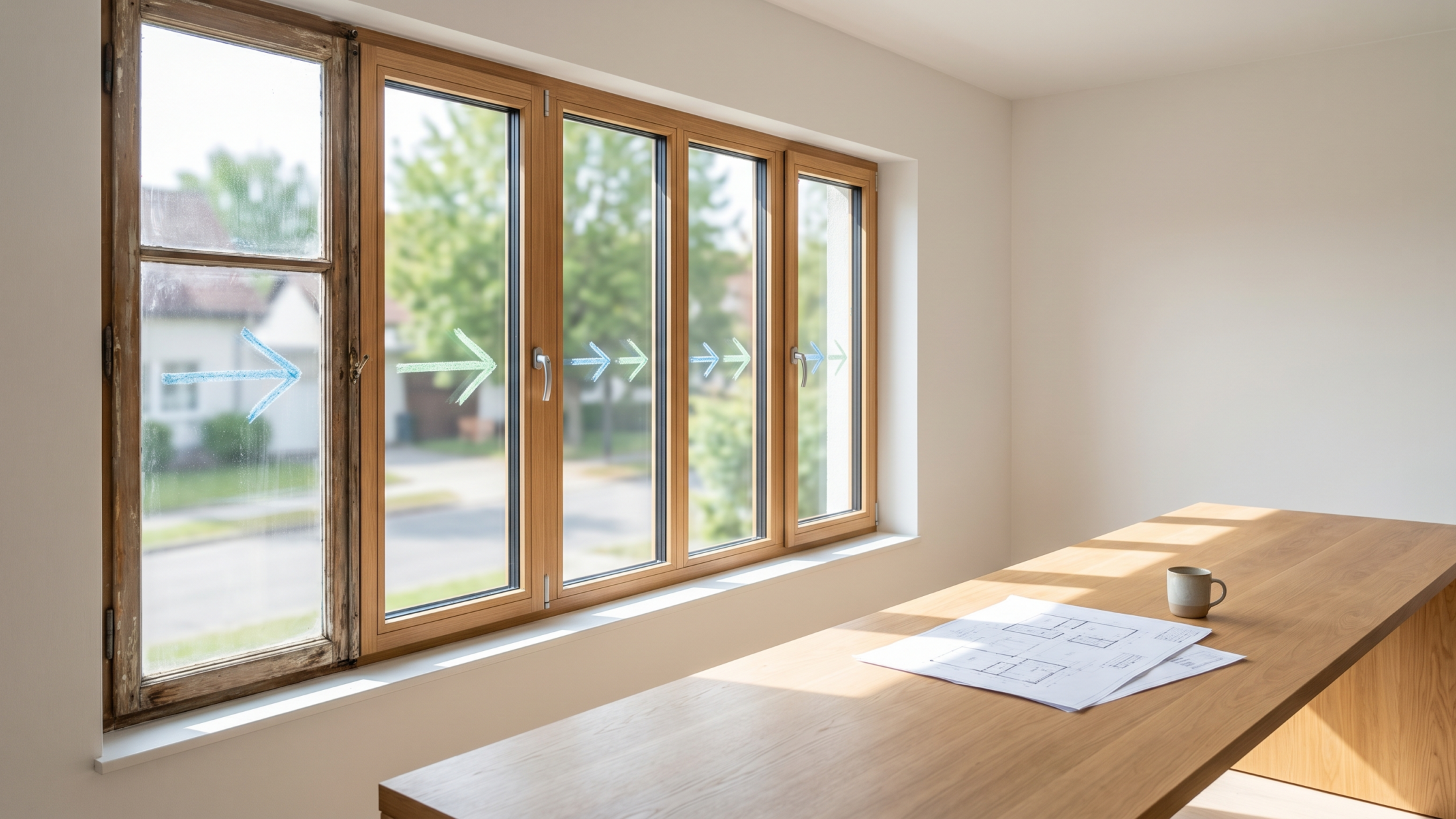
When it comes to replacing windows in your home, homeowners face a critical decision: Should you replace all your windows at once or do it in phases? This decision impacts your budget, convenience, energy efficiency, and even the overall aesthetics of your house. Understanding the pros and cons of each approach will help you make an informed choice that suits your needs and circumstances.
The Case for Replacing All Windows at Once
Benefits
Replacing all your windows simultaneously can be highly beneficial for several reasons:
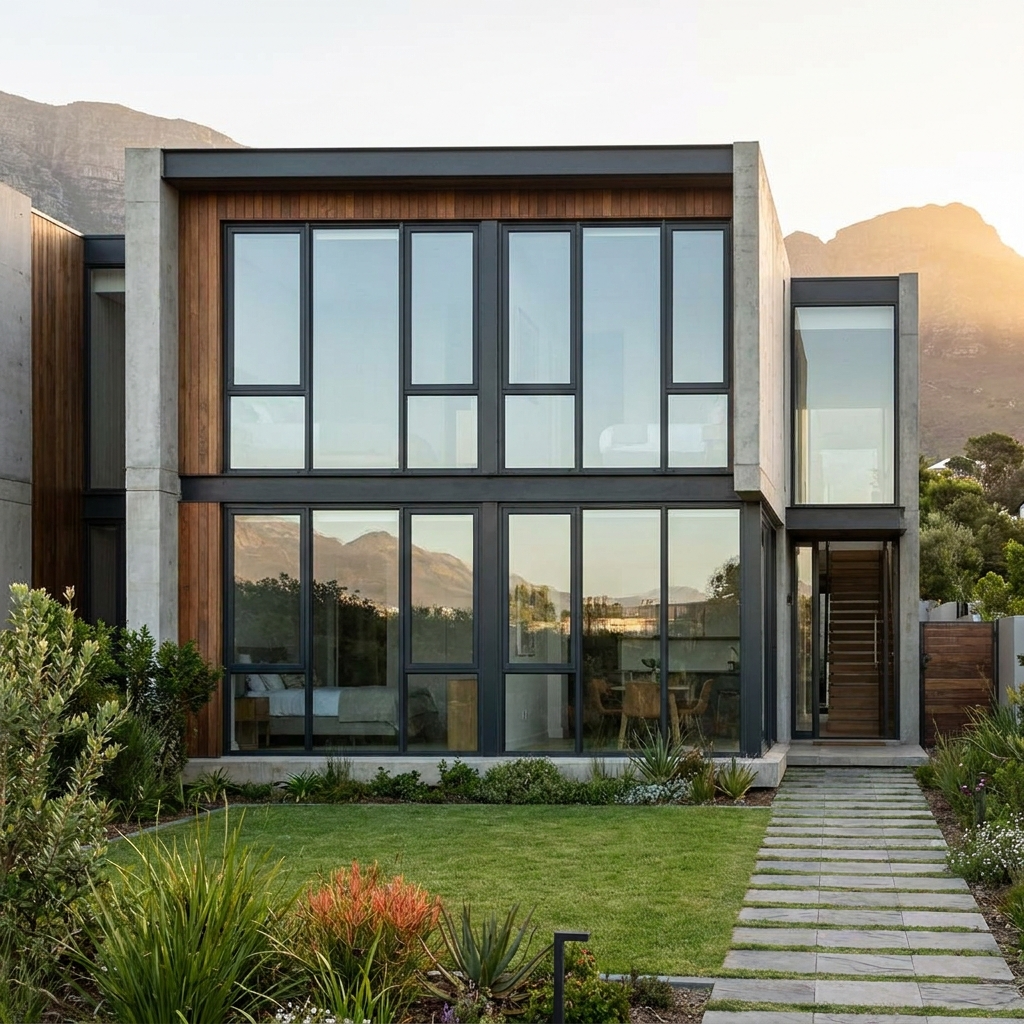
- Uniform Aesthetics: All your windows will match perfectly in style, color, and design, giving your home a cohesive exterior and interior appearance.
- One-Time Disruption: You only have to endure the noise, dust, and inconvenience of construction once, rather than multiple times.
- Energy Efficiency: New windows typically have better insulation properties, so replacing all at once means you experience maximum energy savings immediately.
- Possible Cost Savings: Contractors may offer volume discounts when replacing all windows at once, reducing the cost per window.
- Increased Home Value: A full window replacement can significantly boost your home’s market value if you plan to sell.
Drawbacks
Despite the clear benefits, full replacement comes with several challenges:
- High Upfront Cost: Replacing all windows at once can be a substantial financial investment, potentially straining your budget.
- Time-Consuming: The project can take several days or weeks depending on the number of windows and contractor availability.
- Potential Scheduling Issues: Coordinating installation for many windows can be complicated and may require booking well in advance.
The Case for Replacing Windows in Phases
Benefits
Phased window replacement involves swapping out windows a few at a time, typically based on priority or budget. Here’s why some choose this approach:
- Budget Flexibility: Spreading out the cost over time can be easier to manage financially.
- Prioritizing Urgent Replacements: You can focus first on windows that are broken, warped, or causing drafts, fixing the most pressing issues before addressing the rest.
- Less Disruption at Once: Small-scale installation projects are typically less inconvenient and can often be arranged more flexibly.
Drawbacks
However, phased replacement has some notable downsides:
- Inconsistent Appearance: Windows installed at different times may have slight color or style variations, affecting curb appeal.
- Reduced Energy Efficiency Benefits: Heating and cooling savings may be gradual rather than immediate as old windows remain in use.
- Possible Increased Costs: Smaller projects typically lack volume discounts, and multiple trips can raise labor costs.
Factors to Consider When Deciding
1. Budget Constraints
Evaluate your current financial situation. If funds are limited, phased replacement may be necessary. On the other hand, if you have the capital, a full replacement might be more cost-effective long-term.
2. Condition of Existing Windows
Assess which windows are in the worst condition. If only a few windows have major damage or leaks, you might start there. But if most windows are aging and inefficient, replacing all at once makes sense.
3. Home Improvement Goals
If your goal is a fresh, uniform look or you plan to sell soon, full replacement can boost home value and curb appeal rapidly. For gradual updates or to increase comfort in key rooms, phased updates suffice.
4. Energy Efficiency Needs
High-efficiency windows reduce heating and cooling costs significantly. For the best results, installing all at once maximizes energy savings immediately.
5. Timing and Convenience
Consider how much disruption you can tolerate. Full replacement can be intrusive but short-lived, while phased replacements are less disruptive but drawn out.
Expert Insights
“Replacing windows in your home is not only about upgrading aesthetics—it is a strategic decision influencing energy savings, comfort, and home value. We often advise clients to weigh their budget, timeline, and intended outcomes carefully before choosing phased versus full replacement.”
— Sarah Johnson, Home Renovation Specialist
Cost Comparison: Full Replacement vs. Phased
While costs vary widely depending on window size, type, and location, here is a general comparison:
| Cost Element | Full Replacement (All Windows) | Phased Replacement (Per Phase) |
|---|---|---|
| Average Cost per Window | $400 – $800 (with volume discounts) | $450 – $900 (no discounts) |
| Labor Cost | Consolidated, potentially lower overall | Higher cumulative due to multiple calls |
| Energy Savings | Immediate, full home impact | Incremental, limited until all replaced |
| Project Duration | Typically 1-2 weeks | Extended over months or years |
Tips for Making Your Decision
- Get multiple quotes from reputable contractors to understand cost implications.
- Make a priority list of windows needing immediate replacement versus ones that can wait.
- Research window types and energy ratings to maximize long-term value.
- Consider timing relative to seasons; installation in mild weather is optimal.
- Plan for temporary adjustments in your living space to reduce inconvenience.
Conclusion
Whether you choose to replace all your windows at once or in phases depends on your financial parameters, home condition, and personal preferences. A full replacement offers uniformity, immediate energy savings, and a one-time disruption but requires significant upfront investment. Phased replacement offers more manageable costs and allows for prioritizing problem windows but may lead to inconsistent aesthetics and prolonged construction.
By carefully weighing these pros and cons and consulting with professionals, you can select the option most aligned with your goals for comfort, style, and value.