
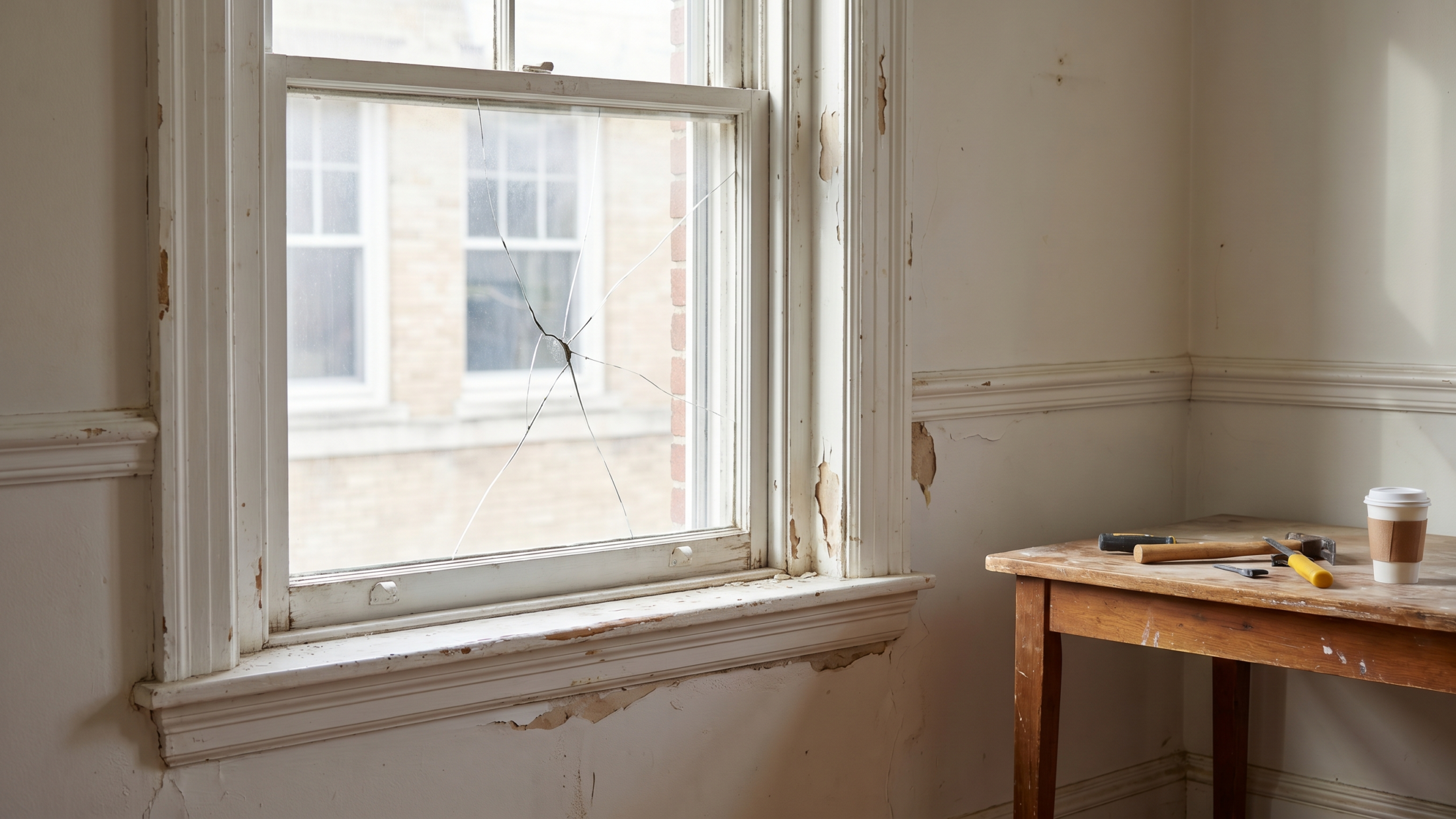
Will Window Replacement Damage Interior Trim or Drywall?
Replacing windows in your home can significantly improve its energy efficiency, curb appeal, and overall value. However, one common concern homeowners have is whether window replacement will damage interior trim or drywall. After all, these interior elements are integral to your home’s aesthetics, and costly repairs or refinishing after a window replacement can be a frustrating surprise. In this post, we will dive deeply into what window replacement entails, the potential risks to interior trim and drywall, and how these risks can be minimized or avoided.
Understanding Window Replacement Methods
Before we explore the possible damage, it’s essential to understand the different types of window replacements:
- Insert/Retrofit Replacement: This method involves removing only the window sash and part of the frame, leaving the exterior and interior trim intact. It is less invasive and typically involves minimal disturbance to the surrounding interior and exterior walls.
- Full Frame Replacement: The entire window unit, including the frame, is removed. This often requires cutting into the wall surface or siding and removal of trim, which can impact drywall and interior finishes.
Of these, the full frame replacement is more likely to impact your interior trim and drywall, while insert replacements are less disruptive but limited to certain window types and conditions.
How Window Replacement Can Impact Interior Trim
The interior trim around windows serves both functional and decorative roles. During window replacement, this trim can be exposed to risk in the following ways:
1. Removal of Trim
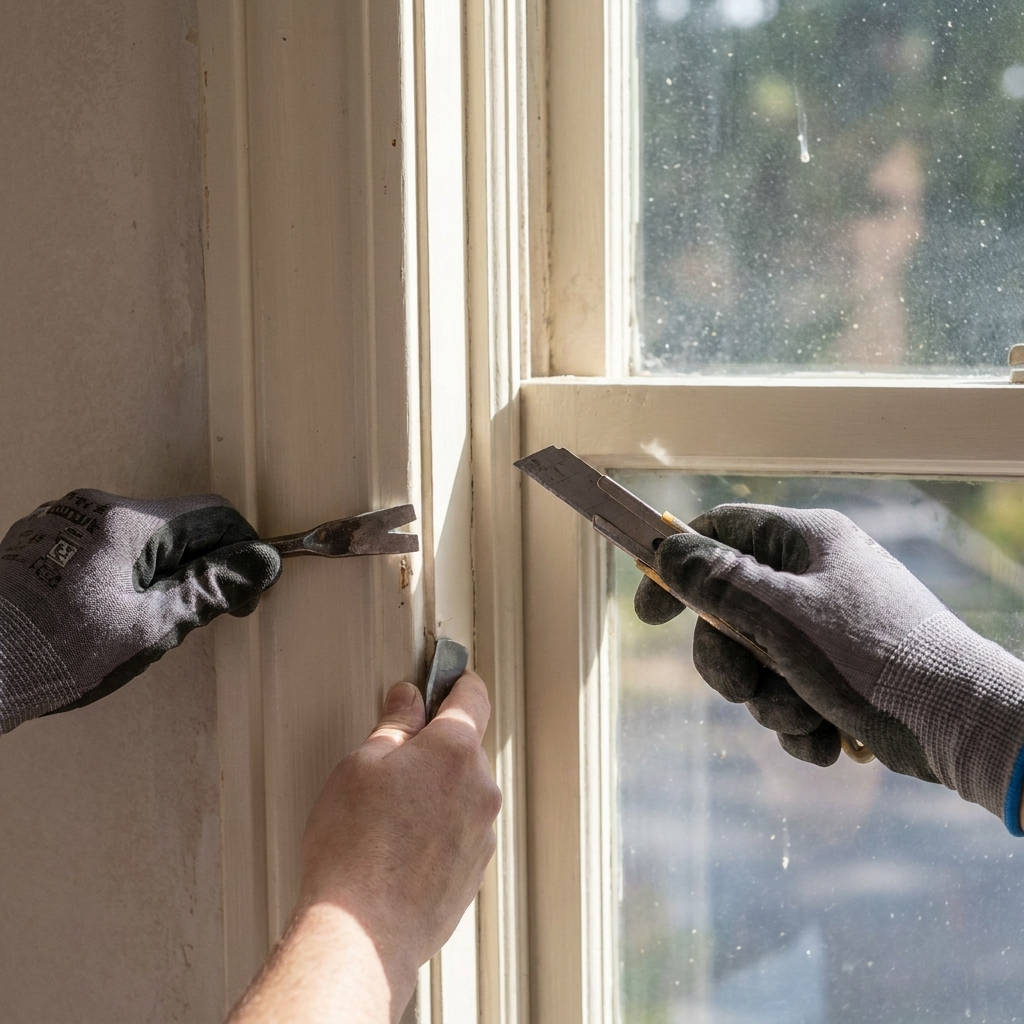
For full frame replacements, contractors may have to carefully remove the interior trim to access the full window frame. This removal, if done improperly, can cause:
- Cracks or chips in the wood or composite materials
- Breaking or splitting of delicate molding profiles
- Damage to paint or finish that requires sanding and repainting
2. Shifting or Warping
If trim is not securely reinstalled or realigned after window installation, slight gaps or warping might occur, which could visually affect the window area and require adjustments or replacement.
3. Nail or Screw Holes
In some cases, contractors may need to add additional fastening points, leaving holes in the trim that need filling and refinishing.
Possible Damage to Drywall During Window Replacement
Drywall damage is usually a greater cause for concern than minor trim damage. The drywall surrounding windows is delicate and prone to cracking or breaking in several scenarios:
Reasons Why Drywall Might Get Damaged
- Cutting during Full Frame Replacement: Since the entire window frame is removed, drywall near or attached to the jamb or window opening may be cut or broken when demolition takes place.
- Tool Slips or Accidental Impacts: Power tools used to remove frames can slip, gouging or cracking drywall surfaces.
- Pressure and Shifting: Improper handling of new window units, especially heavier ones, can cause pressure on drywall, leading to cracks.
- Humidity or Water Exposure During Installation: Open window areas can allow moisture infiltration temporarily, leading to softening or bubbling of drywall if not protected adequately.
Signs of Drywall Damage Post Replacement
After the window replacement, you may notice:
- Small cracks or fractures around the window perimeter
- Loose or sagging drywall near the opening
- Paint peeling or bubbling that may indicate water penetration or surface disturbance
How to Minimize or Avoid Damage to Trim and Drywall
With proper preparation and hiring experienced professionals, damage can be minimized or even completely avoided. Here are some strategies and tips:
1. Choose the Right Type of Window Replacement
Whenever possible, opt for an insert replacement to reduce disruption. This decision depends on the window condition and your renovation goals but can drastically cut down risks to interior surfaces.
2. Hire Experienced and Reputable Contractors
Experienced installers know how to work carefully around interior finishes and have techniques for protecting trim and drywall during removal and installation.
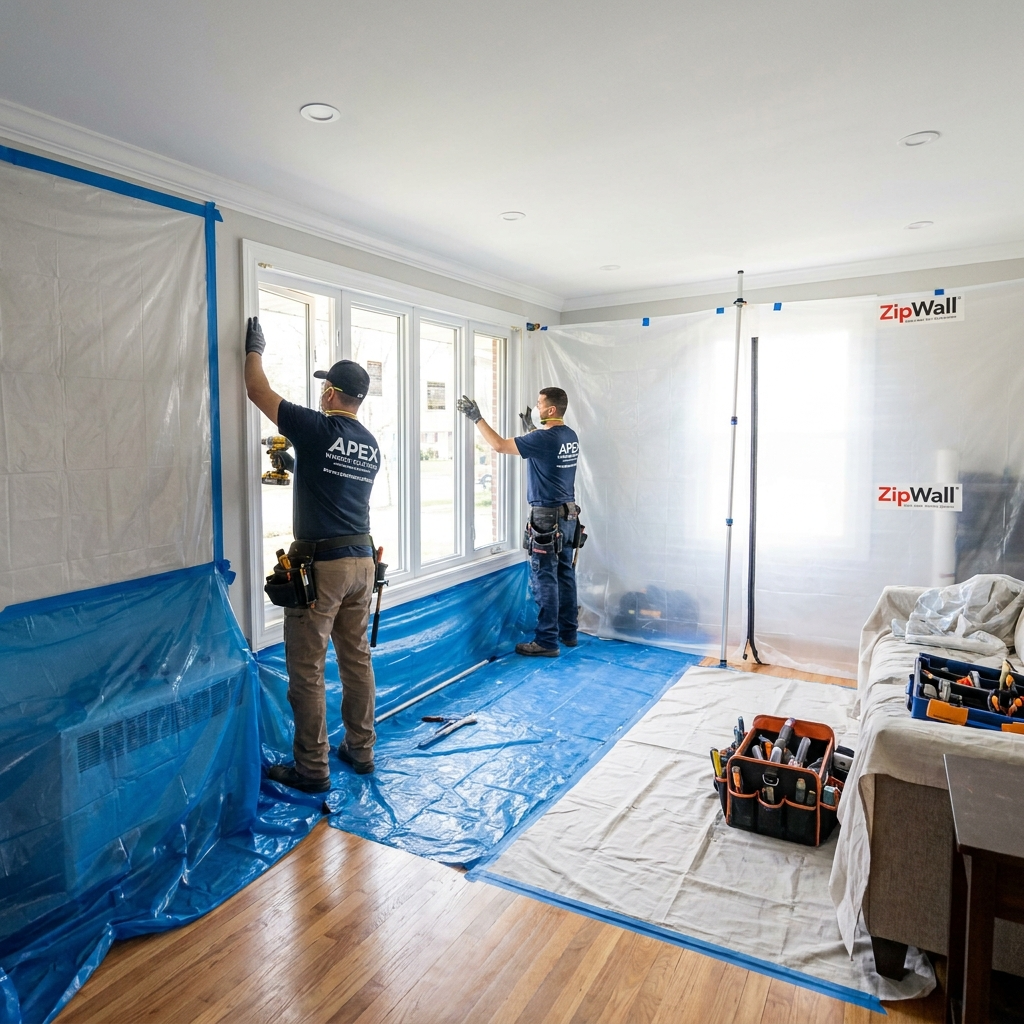
3. Request Protective Measures
- Use of protective coverings for floors, walls, and trim
- Careful removal and cataloging of interior trim pieces for reinstallation
- Use of hand tools instead of power tools when working close to delicate surfaces
4. Communicate Your Concerns Upfront
Inform your contractor if preserving trim and drywall integrity is a top priority. A good company will adjust methods or bring in specialists for delicate work.
5. Inspect Work Immediately After Installation
Carefully check the window area for any cracks, chips, or damage so you can address issues promptly before final finishing and painting.
What to Expect if Damage Occurs?
Sometimes despite all precautions, minor damage can happen. The good news is that drywall and trim are generally repairable:
- Drywall Repairs: Can involve patching cracks or holes, sanding, repainting, and sometimes replacing small drywall sections around the window.
- Trim Repairs: Repairs might mean filling nail holes, re-gluing splits, repainting, or in rare cases, replacing damaged trim components.
“Proper communication and clear expectations with your window installer can make all the difference in preserving your interior finish during replacement projects,” advises a seasoned home renovation expert.
Conclusion
Window replacement is a valuable home improvement but carries some risk to your interior trim and drywall, especially with full frame replacements. Homeowners should be aware of the potential impacts and take proactive steps by choosing the right replacement method, hiring experienced professionals, and clearly communicating concerns. Minor damage can usually be repaired, but careful planning and execution can keep your interior looking beautiful and intact throughout the process.
By understanding these factors, you can approach your window replacement project with confidence, minimizing surprises and protecting the aesthetics of your home’s interior.