
Introduction: Understanding Window Frame Durability
This comprehensive guide explores the most common window frame materials, analyzing their durability, maintenance requirements, advantages, and disadvantages, helping you make a well-informed decision.
Common Window Frame Materials
Window frames come in various materials, each with unique characteristics influencing their longevity. The most popular ones include:
- Wood
- Vinyl (uPVC)
- Aluminum
- Fiberglass
- Composite

Wood Frames
Wood has been a traditional material for window frames due to its natural beauty and insulating properties. However, wood’s durability hinges heavily on maintenance and environmental conditions.
Durability Factors
Wood is susceptible to moisture damage, rot, warping, and insect infestations if not properly treated and maintained. With regular painting or staining and sealing, wood frames can last for decades—often 30 to 50 years or more.
Maintenance Needs
- Annual inspections for cracks or damage
- Repainting or staining every 3-5 years
Neglecting maintenance can significantly decrease the lifespan of wood frames.
Vinyl (uPVC) Frames
Vinyl frames have surged in popularity due to their low cost and low maintenance. Made from polyvinyl chloride with added stabilizers, they are resistant to moisture and insects.
Durability Factors
Vinyl frames typically last between 20 to 40 years. They do not warp, crack, or peel like some wood frames but can discolor or become brittle if exposed to harsh UV rays over time.
Maintenance Needs
- Simple cleaning with soap and water
- Avoid abrasive materials to prevent scratching
- Check seals and weatherstripping periodically
Aluminum Frames
Aluminum window frames are known for their strength and sleek, modern look. They are frequently used in commercial buildings and high-rise apartments.
Durability Factors
Aluminum frames resist rust, corrosion, and fire, lasting 25 to 40 years or more depending on finish and environmental exposure. However, aluminum is a poor insulator and may be prone to condensation, which can reduce frame integrity.
Maintenance Needs
- Occasional cleaning with mild detergent
- Checking for scratches that may expose metal to corrosion
- Re-coating or painting if the finish degrades
Fiberglass Frames
Fiberglass is a highly durable and low-maintenance option. It’s made of glass fibers embedded in resin, offering exceptional strength and energy efficiency.
Durability Factors
Fiberglass frames can last over 50 years. They resist warping, rotting, and corrosion, and they expand and contract similarly to glass windows, reducing stress on seals.
Maintenance Needs
- Minimal cleaning with mild soap and water
- Occasional check for any physical damage or cracks
Composite Frames
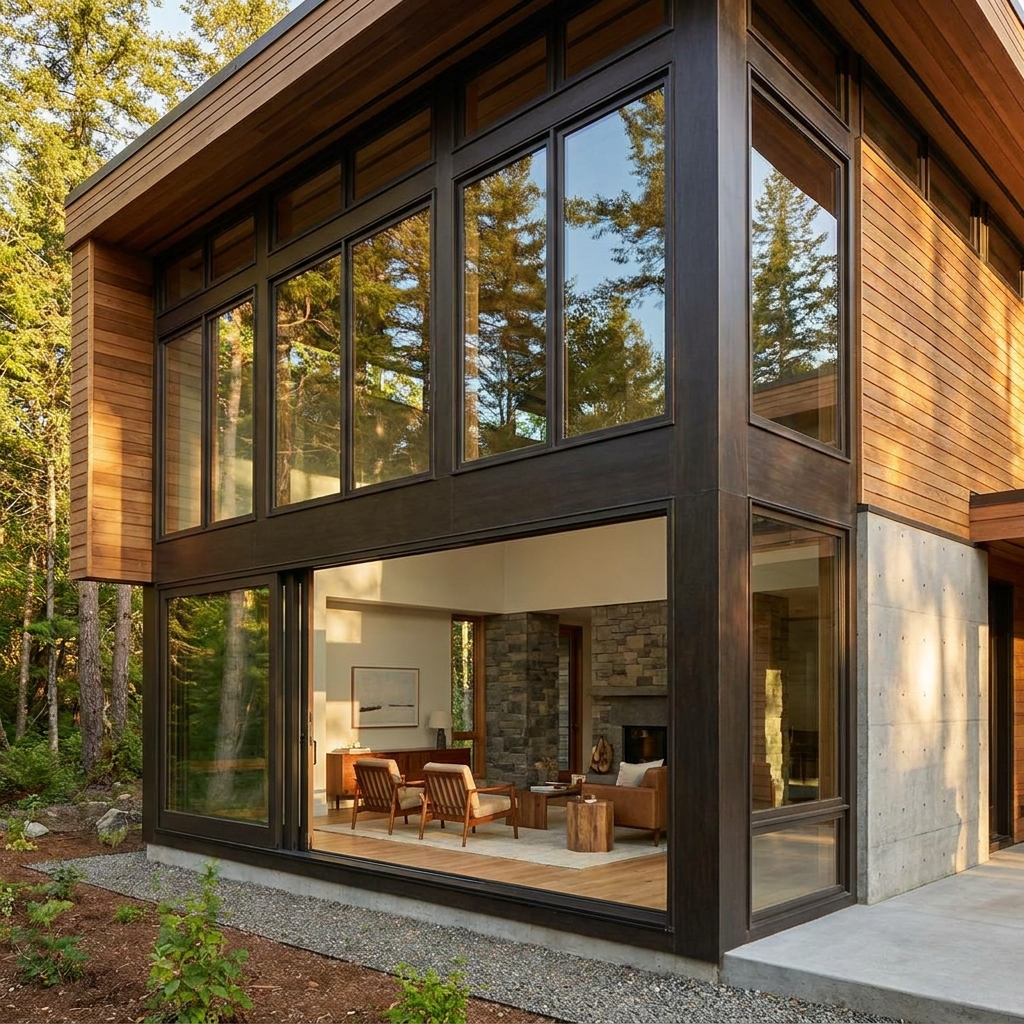
Composite frames combine several materials such as wood fibers and polymers, designed to provide the benefits of wood and vinyl while minimizing their downsides.
Durability Factors
Composite frames generally last 30 to 50 years. They resist moisture, rot, and insect damage better than traditional wood and are sturdier than vinyl alone.
Maintenance Needs
- Periodic cleaning to prevent dirt buildup
- Less frequent painting or refinishing than pure wood frames
Which Material Lasts the Longest?
Determining which window frame material lasts the longest depends on your environment, maintenance habits, and budget. Here’s a comparative longevity overview:
- Fiberglass: Can last 50+ years with minimal maintenance; highly resistant to temperature changes.
- Composite: Around 30-50 years; built to resist common wood problems.
- Wood: 30-50 years if properly maintained; otherwise prone to early damage.
- Aluminum: 25-40 years; excellent strength but may require protective coatings in harsh climates.
- Vinyl: 20-40 years; low maintenance but vulnerable to UV degradation.
In harsh or variable climates, fiberglass and composites tend to outperform because of their resilience and dimension stability.
Other Factors Influencing Window Frame Longevity
Climate and Environmental Conditions
Coastal areas with salt air, regions with high humidity, or places with intense sun exposure can affect frame materials differently. For example, aluminum may corrode more rapidly near the ocean, and vinyl can fade in strong sunlight.
Installation Quality
A well-installed window frame often lasts longer because gaps, poor seals, or structural stress points can accelerate wear and tear.
Expert Opinion
“While no material is entirely maintenance-free, fiberglass and well-made composite frames provide an excellent balance of durability, energy efficiency, and low upkeep over several decades. For homeowners looking at long-term investments, these materials represent the best value in window frame longevity.” — Susan McLeod, Certified Home Designer
Summary and Recommendations
To choose the longest-lasting window frame material, consider these key points:
- For ultimate durability with minimal maintenance, fiberglass is the top choice.
- If you prefer the classic look of wood but want improved resilience, composite frames are a worthy alternative.
- Aluminum suits modern architectural styles but requires attention to surface protection.
- Vinyl offers affordability and ease of care but shorter lifespan in extreme weather conditions.
Evaluate your local climate, budget, and aesthetic preferences alongside these durability insights to make the decision that best suits your property.
Additional Tips for Extending Window Frame Lifespan
- Schedule regular professional inspections, especially after extreme weather events.
- Apply protective coatings as recommended for your chosen material.
- Ensure proper drainage around window openings to prevent moisture accumulation.
- Install quality weatherstripping to reduce environmental stress on frames.
With the right choice and care, your window frames can serve your home beautifully for decades to come.