

Introduction
When selecting windows for your home or commercial property, the choices can often feel overwhelming. Among the most popular materials available today are composite, vinyl, fiberglass, and wood. Each window type offers unique benefits and potential drawbacks, which can impact performance, aesthetics, maintenance requirements, and overall value. This article provides a detailed comparison of composite windows versus vinyl, fiberglass, and wood, helping you make an informed decision based on practical considerations.
Understanding Window Materials
What Are Composite Windows?
Composite windows are made using a mixture of materials, typically combining wood fibers with PVC or other polymers. By blending these materials, manufacturers aim to leverage the strengths of each constituent—like the warmth and natural aesthetic of wood, combined with the durability and low maintenance of synthetic materials.
Vinyl Windows Overview
Vinyl windows are constructed from polyvinyl chloride (PVC), a type of plastic known for being lightweight, energy-efficient, and affordable. Vinyl has become widely popular due to its resistance to moisture and rot, making it suitable for many climates.
Fiberglass Windows Overview
Fiberglass windows use glass fibers embedded in resin to create a highly durable frame. Known for strength and minimal expansion/contraction in temperature changes, fiberglass windows provide excellent insulation and longevity.
Wood Windows Overview
Wood windows are traditional and often preferred for their natural beauty and outstanding insulation properties. They require more maintenance to protect against warping, rot, and insect damage, but appeal to those seeking authenticity and warmth in design.
Comparative Analysis
Durability and Longevity
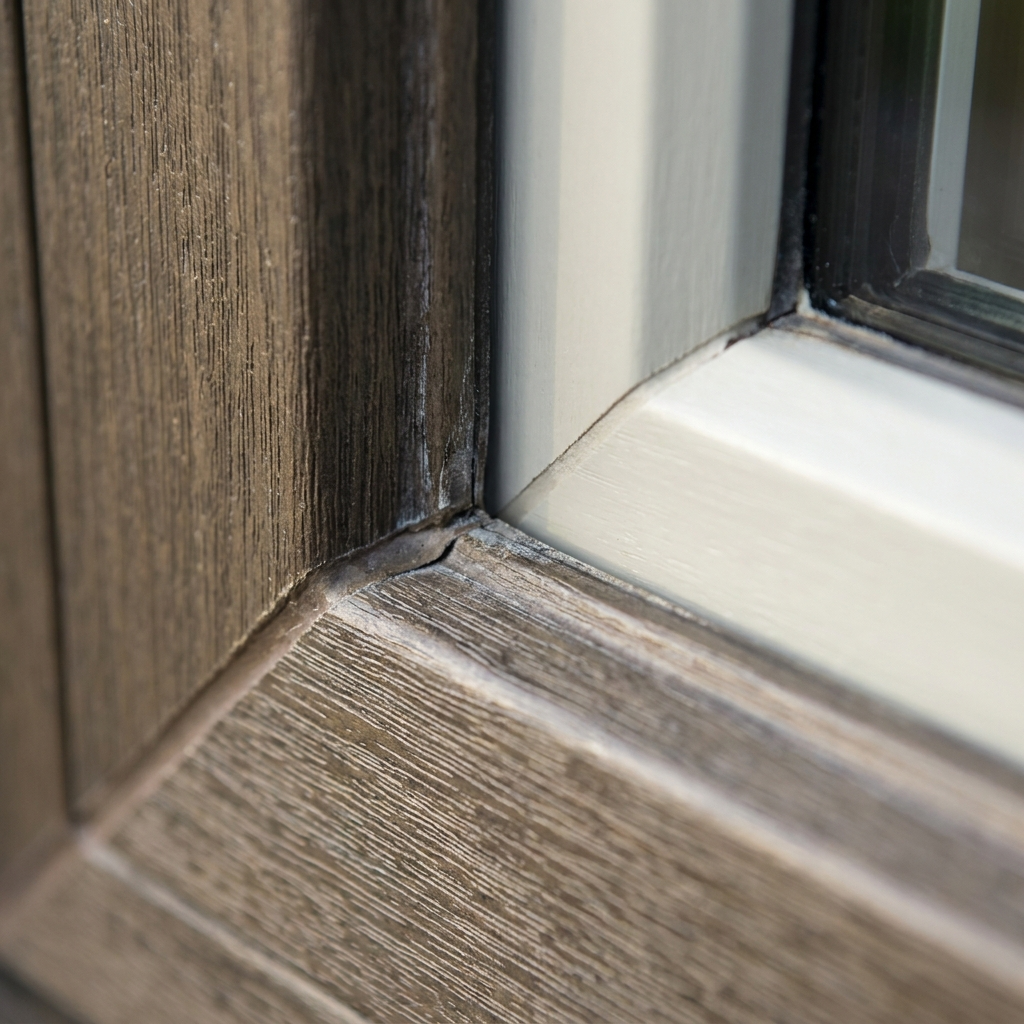
Composite Windows: Generally highly durable because the blend of materials mitigates the weaknesses of each. Offers strong resistance to warping, cracking, and rotting.
Vinyl Windows: Resistant to moisture and corrosion, but can become brittle over time when exposed to UV rays. Less durable than composite or fiberglass in extreme climates.
Fiberglass Windows: Among the most durable, fiberglass withstands weathering well and maintains structural integrity for decades.
Wood Windows: Though very strong initially, wood is vulnerable to moisture and insect damage unless properly maintained with regular painting or sealing.
Energy Efficiency
All four window types offer decent insulation, but their effectiveness varies:
- Composite: Excellent thermal performance due to the insulating properties of wood fibers combined with synthetic durability.
- Vinyl: Good insulator and often comes with multi-chambered frames to improve thermal resistance.
- Fiberglass: Superior energy efficiency because it does not expand or contract significantly, maintaining tight seals around the glass.
- Wood: Naturally insulating, but gaps caused by expansion and contraction can diminish efficiency if not properly maintained.
Maintenance Requirements
Maintenance is a critical decision factor for many consumers:
- Composite Windows: Require minimal upkeep, typically needing only occasional cleaning. Surfaces resist chipping, peeling, and fading.
- Vinyl Windows: Very low-maintenance; often just soap and water cleaning is sufficient.
- Fiberglass Windows: Also low-maintenance with surfaces that resist mold, mildew, and fading.
- Wood Windows: High maintenance with periodic sanding, painting or staining necessary to prevent decay.

Aesthetic Appeal
The look and feel of the window frames can alter the entire architectural style:
- Composite: Can mimic wood grain very well while offering a free choice of colors and finishes that don’t require repainting.
- Vinyl: Usually less customizable; color choices are limited and cannot be painted easily.
- Fiberglass: Sleek and modern with clean lines. Custom finishing options available but less natural-looking than wood.
- Wood: Timeless elegance and highly customizable with paints and stains. Unique grain patterns offer natural beauty.
Cost Considerations
The initial and long-term costs vary significantly between these window types:
- Composite Windows: Generally mid-range in price — more expensive than vinyl but less than premium wood or fiberglass.
- Vinyl Windows: The most budget-friendly option up front.
- Fiberglass Windows: The priciest upfront but often justified by longevity and energy savings.
- Wood Windows: Can be costly initially and in ongoing maintenance, but add significant value to traditional or upscale homes.
Environmental Impact
Eco-conscious buyers should consider the sustainability of materials:
- Composite windows often use recycled wood fibers and PVC, reducing waste.
- Vinyl windows are made from plastic derived from non-renewable resources and can be difficult to recycle.
- Fiberglass is energy-intensive to produce but offers excellent durability, potentially reducing replacement frequency.
- Wood is renewable but requires forest resources and ongoing chemical treatments.
Expert Insight
“Choosing the right window material depends on your priorities—whether it’s durability, maintenance, cost, or aesthetics. Composite windows provide a balanced blend, often delivering the best of both worlds for homeowners seeking lasting performance and visual appeal without constant upkeep.” — Jane Thomas, Building Materials Specialist
Summary Table
| Material | Durability | Energy Efficiency | Maintenance | Aesthetics | Cost |
|---|---|---|---|---|---|
| Composite | High | High | Low | Very Good (Wood-like) | Mid-range |
| Vinyl | Moderate | Good | Very Low | Fair | Low |
| Fiberglass | Very High | Excellent | Low | Good (Modern) | High |
| Wood | Moderate (with care) | Good | High | Excellent (Natural) | Variable (Often High) |
Final Thoughts
Choosing between composite, vinyl, fiberglass, and wood windows ultimately depends on your home’s architectural style, local climate, budget, and long-term maintenance preferences. Composite windows serve as an excellent compromise offering durability, energy efficiency, and the visual warmth of wood without the high upkeep requirements. Vinyl makes sense for budget projects requiring low maintenance, while fiberglass reflects commitment to durability and energy savings at a premium cost. Wood remains unmatched in beauty but demands vigilance and care.
Reviewing these key factors in relation to your project’s needs can help ensure that your choice adds both functional value and aesthetic appeal, enhancing your property’s comfort and curb appeal for years to come.