
Understanding Replacement Window Terms: A Homeowner’s Essential Guide
Replacing windows is a significant home improvement project that can enhance your home’s energy efficiency, curb appeal, and property value. However, navigating the vocabulary associated with replacement windows can be overwhelming. This guide aims to demystify the essential terms so homeowners can make informed decisions when selecting replacement windows.
Why Familiarize Yourself with Replacement Window Terms?
Knowing the terminology used by window professionals ensures clear communication and reduces misunderstandings during the purchase and installation processes. Whether discussing styles, materials, or technical specifications, understanding the language empowers you to advocate effectively for your needs.
Common Replacement Window Types
The first step in learning replacement window terms is to recognize the various window styles available. Each type has distinct features, mechanisms, and benefits.
- Double-Hung Windows: Feature two sashes that slide vertically past each other, allowing ventilation from the top, bottom, or both.
- Casement Windows: Hinged at the side and open outward like a door with a crank handle, offering excellent ventilation and sealed closure.
- Sliding Windows: Consist of one or more sashes that slide horizontally within the frame.
- Awing Windows: Hinged at the top and open outward, perfect for ventilating while protecting from rain.
- Picture Windows: Fixed windows without the ability to open, intended for light and views.
Key Components of Replacement Windows
Understanding window anatomy helps clarify discussions with contractors and manufacturers.
Sash
The movable frame that holds the glass in operable windows like double-hung or casement models.
Frame
The outer structure that holds the sash and fits into the window opening of your home.
Spacer
A material separating the panes of glass in double or triple-pane windows that helps to improve insulation.
Glazing
The glass component itself, which may be single, double, or triple panes, sometimes with special coatings for energy efficiency.
Balance
A mechanism, often a spring or weight, that helps support the sash for smooth operation in windows such as double-hung.
Materials Used in Replacement Windows
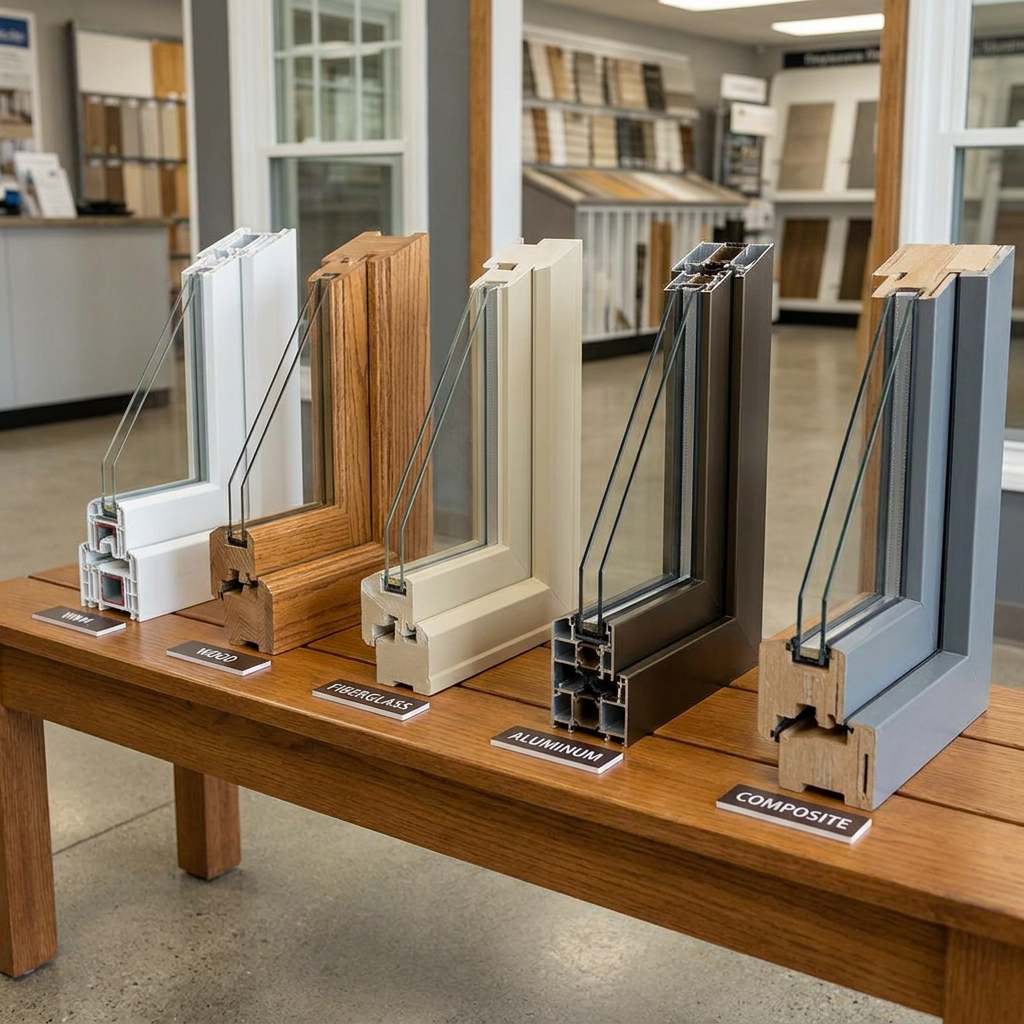
The window material affects durability, maintenance, aesthetics, and cost. Common materials include:
- Vinyl: Popular for its affordability, energy efficiency, and low maintenance.
- Wood: Offers classic aesthetics and excellent insulation but requires regular upkeep.
- Fiberglass: Strong and durable, can mimic wood’s appearance, and is resistant to warping.
- Aluminum: Lightweight and strong but less energy-efficient than other materials due to heat conduction.
Specialized Terminology Related to Window Efficiency
Energy efficiency is often a critical factor for homeowners when selecting replacement windows. Here are terms related to thermal performance:
- Low-E Coating: A thin metallic layer applied to the glass that reflects infrared and UV light, helping to keep heat out in summer and in during winter.
- U-Factor: Measures how well the window insulates; lower numbers indicate better insulation.
- Solar Heat Gain Coefficient (SHGC): Represents how much solar radiation passes through the window; lower values help reduce cooling costs in hot climates.
- Argon/Krypton Gas Fill: Inert gases placed between panes improve insulation by reducing heat transfer.
Installation and Measurement Terms
Rough Opening
The framed opening in the wall where the window is installed. Proper measurement here is crucial for a secure fit.
Flashing
Material installed around the window to prevent water infiltration and protect the wall assembly.
Jamb
The vertical sides of the window frame.
Sill
The bottom horizontal member of the window frame.
Head
The top horizontal member of the window frame.
Maintaining and Operating Your Replacement Windows
Storm Windows
Secondary windows installed on the exterior or interior to improve insulation and protect primary windows.
Hardware
Includes locks, cranks, hinges, and other operational components. Proper maintenance ensures smooth operation and security.
Weep Holes
Small openings that allow moisture to escape from the window frame to prevent water damage.
“Choosing the right window isn’t just about style; it’s about comfort, energy savings, and protecting your home for years to come.” – Home Improvement Expert
Common Questions Raised by Homeowners
Can I Replace Just the Sash or Do I Need the Whole Window?
Replacement window options include full-frame replacement or insert (pocket) replacement. Inserts replace only the sash and fit into existing frames, but full-frame replacements are often necessary if the window frame is damaged or inefficient.
How Do I Know if I Need Double or Triple-Paned Glass?
Consider your climate and energy goals; triple-pane windows offer superior insulation but cost more upfront. Double-pane windows are adequate in many moderate climates.
Are Custom Sizes More Expensive?
Generally yes, due to manufacturing complexity, but standardized sizes are more readily available and economical.
Summary: Equip Yourself with Window Terminology
By understanding the language surrounding window replacements, you can confidently engage with suppliers, weigh options based on your home’s needs, and ensure a seamless installation process. Remember to consider window types, materials, efficiency factors, and installation nuances when making your selection.
Investing time into learning these terms now will pay off with better decisions and a more comfortable, beautiful home in the long run.