

Understanding the Difference Between New-Construction and Replacement Windows
When it comes to upgrading your home’s windows, the terms new-construction windows and replacement windows often come up. While they might appear similar at first glance, these two categories of windows are designed for very different installation processes and building scenarios.
New-Construction Windows: What Are They?
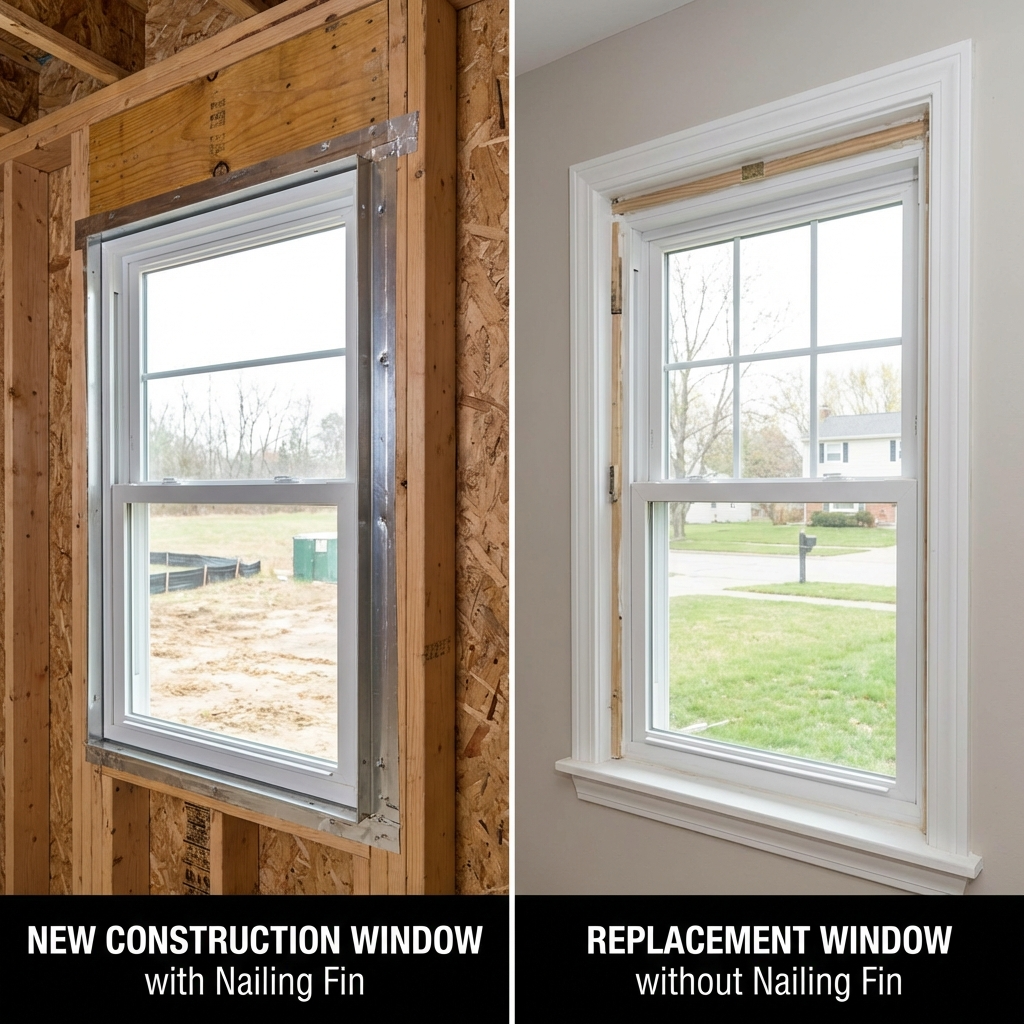
New-construction windows are specifically designed for homes currently being built or going through extensive renovation where the walls are open and studs are exposed. These windows come with a nailing fin — a thin strip around the perimeter of the frame — which helps secure the window directly into the framing of the building.
The idea is that these windows are installed before the exterior siding or brickwork is added. The process integrates the window into the house’s weather barrier system, aiming at enhanced airtightness and water resistance.
Replacement Windows: Purpose and Design
Replacement windows, sometimes called insert windows, are designed to fit into existing window openings without removing the surrounding exterior trim or siding. Their frames are built to fit snugly inside the existing window frame, making them a popular choice for remodeling projects where homeowners want to avoid major exterior construction.
Since the frame stays intact, replacement windows do not have nailing fins and rely on the existing window opening and structure for support.
Can You Use New-Construction Windows for Replacement?
This question arises frequently among homeowners who want to use fewer windows or different types for their projects or believe new-construction windows offer better quality or price. The short answer is: yes, you can use new-construction windows for replacements, but it requires additional steps and considerations.
What Are the Challenges?
The primary challenge of using new-construction windows in replacement projects is their nailing fin. Since existing exterior trim and siding are typically not removed during window replacement, there is nowhere to attach the nailing fin securely.
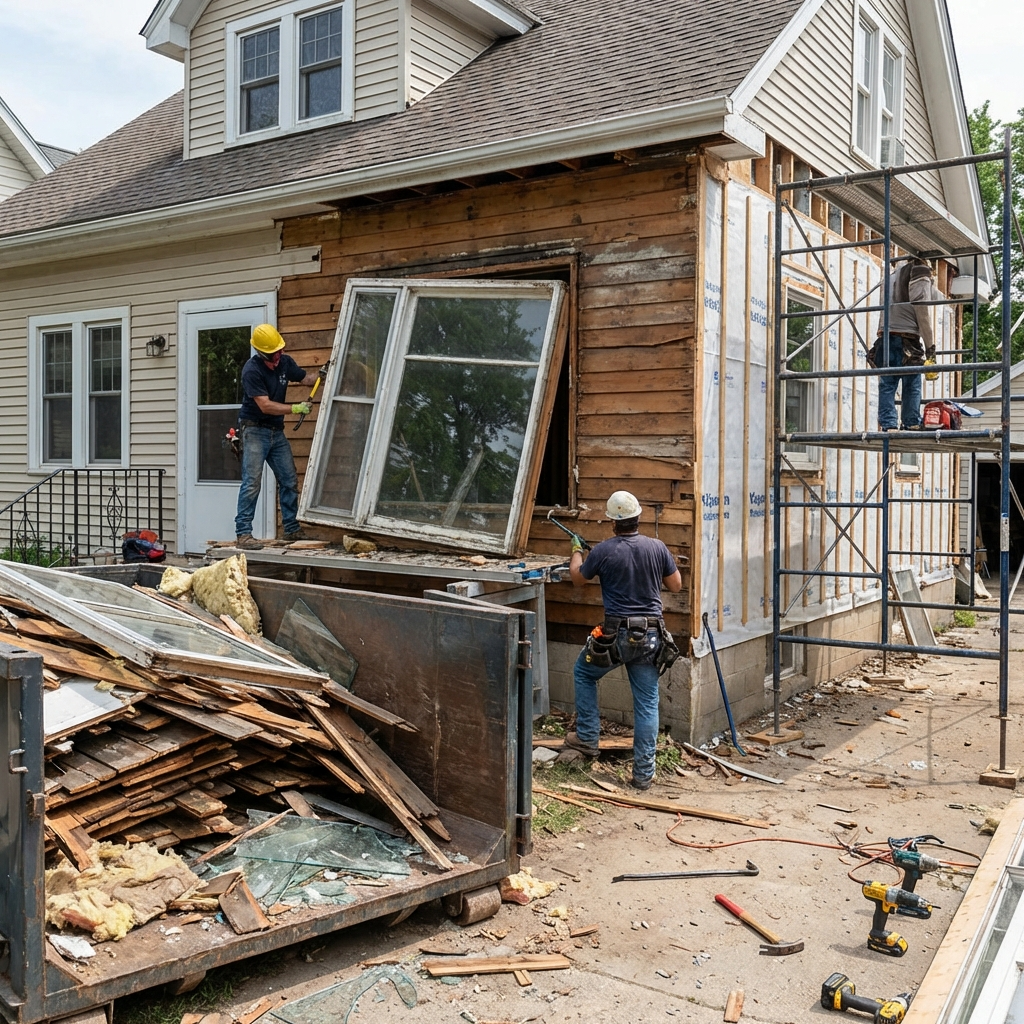
This means additional work is necessary to remove the siding or trim to allow the nailing fins to be nailed into the framing. This adds labor costs and complexity to the project.
Additional Considerations Include:
- Exterior Removal: If you want to preserve your home’s weather-tight seal, you will need to carefully remove the siding or trim around the window opening.
- Waterproofing: New-construction windows depend on proper flashing and sealing around the nailing fins. Without this, water leakage issues can arise.
- Framing Inspection: Using these windows for replacement might be advantageous if you want to inspect or replace rotted framing behind the old window.
- Cost Implications: Labor costs can increase significantly since exterior work is necessary to accommodate nailing fins.
- Insulation: New-construction windows often allow better insulation and air sealing during installation due to the fresh integration with building envelope materials.
Situations Where New-Construction Windows Make Sense for Replacement
While not common, these scenarios justify using new-construction windows for replacement:
- Major Home Renovations: If your project involves removing exterior walls, replacing doors/windows, or adding new siding, new-construction windows fit naturally into this workflow.
- Rotted Window Frames: When original window frames or rough openings are damaged, removing everything down to framing and installing new-construction windows is often prudent.
- Performance Upgrades: New-construction windows with integrated flashing and nailing fins may offer a better air and water barrier than traditional replacement windows.
- Custom Fabrications: If you want customized window sizes or styles not available in replacement window form, sometimes new-construction is your only option.
Practical Steps To Use New-Construction Windows For Replacement
1. Assessment and Planning
Carefully evaluate your existing window openings and surrounding exterior materials. Determine whether siding or trim removal is feasible without hurting your home’s curb appeal or causing damage.
2. Remove Exterior Materials
Strip away siding, trim, or exterior cladding around each window to expose the rough framing. This step is critical to allow installation of the window’s nailing fin.
4. Install the Window
Place the new-construction window into the rough opening, use the nailing fin to secure it, and apply flashing tape or house wrap over the nailing fin per manufacturer instructions.
5. Reseal and Restore Exterior Siding
Reinstall the siding and trim carefully to ensure the window is properly integrated into your home’s weather-tight envelope. Caulk and seal all joints thoroughly.
Benefits and Drawbacks of Using New-Construction Windows for Replacement
Benefits
- Improved Sealing: New-construction windows allow better integration of flashing and weather barriers, reducing air infiltration and moisture penetration.
- Customization: Potential for custom sizing and styles.
- Longevity: Proper installation during major remodels can prolong window life and performance.
Drawbacks
- More Labor Intensive: Exterior removal and resealing add to project complexity and cost.
- Increased Disruption: Removing siding or trim can make the installation process noisier and messier.
- Cost: Typically more expensive than standard replacement window installation due to extra labor and materials.
- Risk of Installation Errors: If flashing and sealing aren’t done correctly, water damage or air leaks can occur.
“Choosing between new-construction and replacement windows is more than just a matter of preference—it’s about understanding the structural and weatherproofing needs of your home to ensure the best performance and durability.” – Home Building Expert
Conclusion
In general, new-construction windows are designed for fresh builds or situations where the exterior wall is open. While it is possible to use them for replacement projects, it requires additional exterior work and considerations that add complexity and cost.
Ultimately, the choice depends on your specific project scope, budget, and desired outcome. Always consult with a professional window installer or contractor to evaluate your home’s unique conditions before making a decision.