

How Window Replacement Affects Siding, Trim, and Exterior Finishes
Impact on Siding
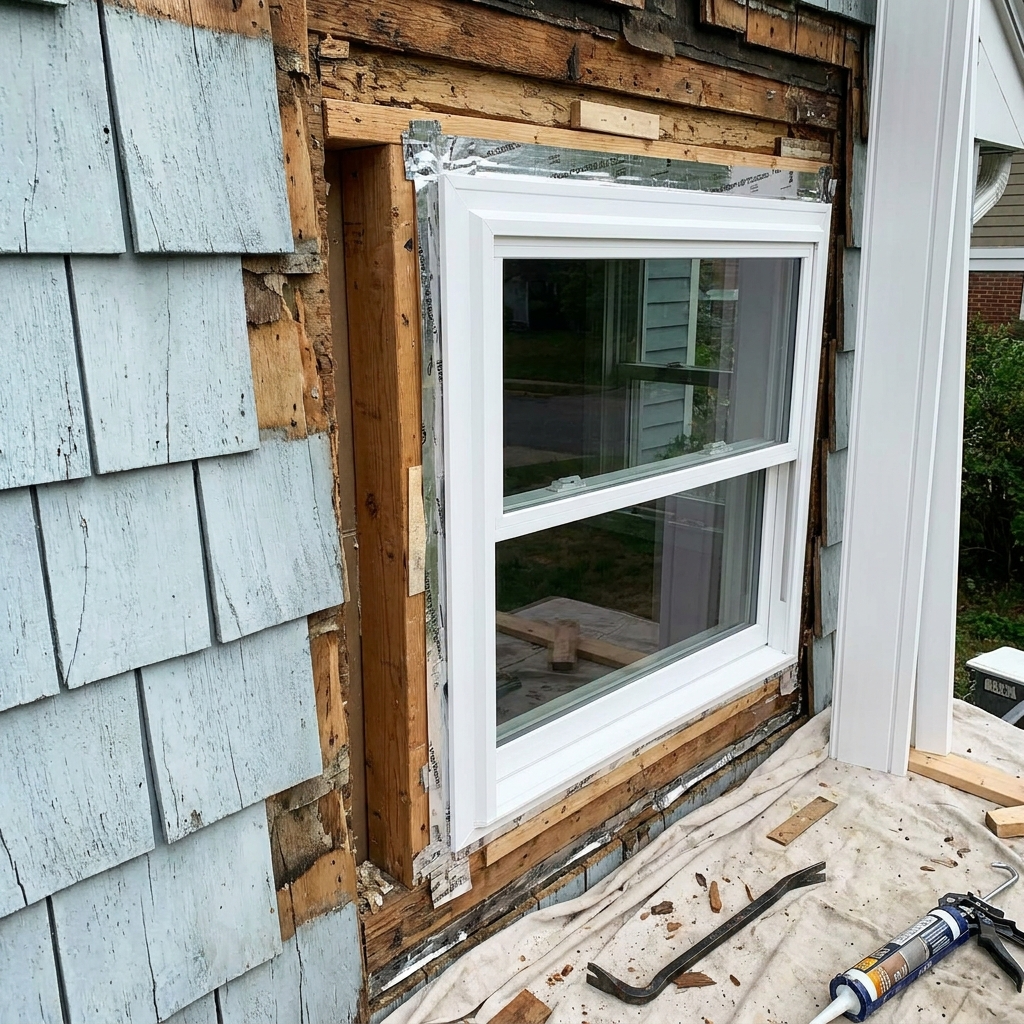
Siding removal or disturbance sometimes becomes necessary during window replacement, especially for full-frame replacements. Here’s how window replacement affects siding:
- Partial Siding Removal: For full-frame window installations, installers often remove siding around the window opening to access framing and install flashing properly. This removal can leave damaged or displaced siding if not handled properly.
- Siding Damage Risks: Nailing, cutting, or prying siding can cause cracks, chips, or loosen sections. Vinyl and wood siding are more prone to damage than fiber cement or metal.
- Mismatch Issues: After window replacement, siding may appear mismatched if new sections are added or original siding is painted or stained differently.
- Moisture Barrier Concerns: Proper siding removal and replacement with new flashing and weather-resistant barriers are essential to prevent leaks and deterioration.
Homeowners should discuss siding preservation or replacement options with their contractor before starting window replacement projects.
Effects on Exterior Trim
The exterior trim frames the window and provides an aesthetic finish while sealing gaps. Replacement windows can impact trim in these ways:
- Trim Removal: In many cases, the existing trim must be carefully removed to take out the old window and to allow installation of new windows and flashing.
- Trim Replacement: If the trim is rotted, damaged during removal, or outdated, replacement may be recommended to ensure a clean, weather-tight finish.
- Trim Resizing: New window dimensions may necessitate custom trim sizes or profiles.
- Paint and Finish: Trim repainting or refinishing is usually required after installation to blend with the home exterior.
Considerations for Exterior Finishes
Besides siding and trim, other exterior finishes like stucco, brick, stone, or architectural panels can be impacted by window replacement:
- Stucco and Masonry: Special care is required to avoid cracking or chipping. Sometimes a section of stucco must be removed and replaced with a patch for the new window fit.
- Stone or Brick: Windows installed in brick or stone often need precise cutting and sealing to maintain aesthetics and prevent water intrusion.
- Caulking and Sealing: After window installation, all gaps between the window frame and exterior finish must be properly sealed with high-quality caulking to maintain insulation and water resistance.
Why Proper Installation Matters
“A window replacement that does not properly accommodate the siding, trim, and exterior finishes risks water intrusion, energy loss, and unsightly results. The right installation ensures both beauty and performance for years to come.” – Expert Window Installer
Ensuring that siding, trim, and exterior finishes are respected and properly integrated during window replacement helps preserve your home’s structural integrity and aesthetic appeal.
Tips to Minimize Negative Impacts on Exterior During Window Replacement
- Choose the Right Installation Method: Insert (pocket) installations can minimize siding disturbance compared to full-frame replacements but may not be suitable for all situations.
- Hire Experienced Professionals: Skilled installers know how to remove and replace siding and trim carefully, preventing unnecessary damage.
- Coordinate Exterior Finishes: Plan for repainting or restaining trim and siding patches to achieve a consistent look post-installation.
- Use Quality Materials: Durable caulks, flashing, and finish materials protect your investment and prevent future problems.
Integrating Window Replacement with Siding and Trim Upgrades
Sometimes window replacement becomes an ideal time to upgrade or replace siding and trim components for fresh aesthetics and improved performance:
- Replace worn or outdated trim to better complement your home’s new window styles.
- Upgrade siding sections around windows for seamless integration and better insulation.
- Install new insulation and weather barriers behind siding to boost energy efficiency.
- Choose coordinated color schemes and materials for windows, trim, and siding to enhance curb appeal.
Planning these upgrades together can maximize your home’s value and minimize repeated labor costs.
Additional Resources and Related Services
If you are considering window replacement, it’s helpful to understand related installation services such as Replacement Windows and Awning Window Installation. These can complement your project and ensure the best outcome.
Conclusion
Window replacement is a multifaceted project that significantly affects the siding, trim, and exterior finishes of your home. Careful planning, skilled installation, and proper material selection are essential to maintain your home’s appearance, protect against moisture, and ensure long-lasting performance. By understanding these impacts, homeowners can make informed decisions and enjoy beautiful, energy-efficient new windows for years to come.