
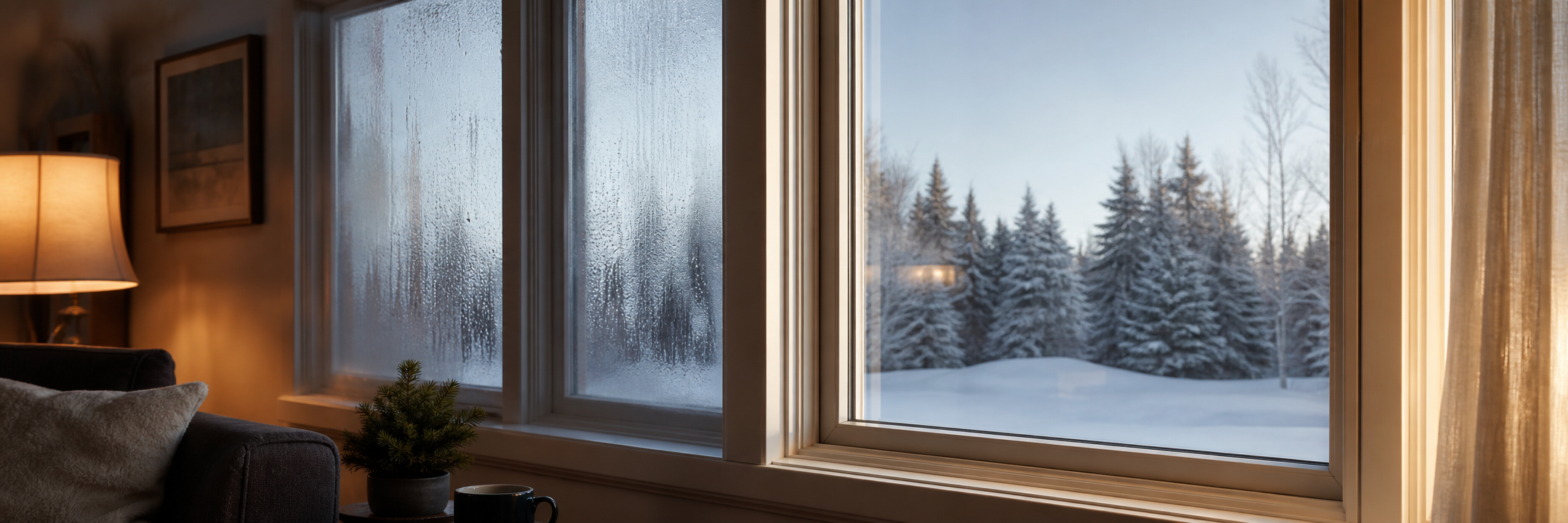
Understanding Interior Window Condensation
Interior condensation on windows is a common issue faced by many homeowners, especially during the colder months. This phenomenon occurs when warm, humid air inside the home meets the cold surface of a window, causing moisture to form on the interior glass. Not only can this be an annoying nuisance, but persistent condensation can also lead to problems such as mold growth, damage to window frames, and deterioration of indoor air quality.
Causes of Interior Condensation
Before addressing whether new windows can fix interior condensation problems, it’s essential to understand what contributes to condensation:
- High indoor humidity: Activities like cooking, showering, and even breathing add moisture to indoor air.
- Poor ventilation: Insufficient air exchange can trap humid air inside.
- Windows with poor insulation: Single-pane windows or windows with failing seals can have colder surfaces where moisture can condense.
- Temperature differences: The greater the difference between indoor and outdoor temperatures, the more likely condensation will occur.
Can New Windows Fix Interior Condensation Problems?
Installing new windows can indeed help alleviate interior condensation problems, but the extent of the improvement depends on several factors including the type, quality, and features of the new windows.
How New Windows Help Reduce Interior Condensation
“Modern window technology incorporates features designed to maintain warmer interior glass surfaces, significantly reducing the likelihood of condensation.”
- Improved Insulation: New windows, especially double or triple-pane ones with insulating gas fills like argon or krypton, keep the interior glass warmer.
- Low-E Coatings: Low-emissivity coatings on glass reflect heat back into the room, minimizing cold spots on the window’s surface.
- Sealed and Quality Construction: New windows come with better sealing systems that prevent cold outdoor air from infiltrating around the glass panes.
- Better Frame Materials: Modern window frames made of vinyl, fiberglass, or composite materials provide better insulation than older wood or aluminum frames.
Additional Benefits of New Windows
- Enhanced energy efficiency leading to lower heating bills.
- Increased home comfort by reducing drafts and cold air leakage.
- Reduced risk of mold and damage caused by moisture buildup.
- Higher home resale value due to improved curb appeal and updated features.
Is Replacing Windows the Only Solution?
While new windows can substantially reduce interior condensation, it’s important to address other contributing factors to effectively solve the problem.
Environmental and Home Factors to Consider
- Control Indoor Humidity: Use dehumidifiers, exhaust fans in kitchens and bathrooms, and fix any leaks that add moisture.
- Increase Ventilation: Open windows periodically or install mechanical ventilation systems to improve air exchange.
- Maintain Heating System: Proper heating keeps indoor air temperature consistent, helping windows stay warmer.
- Window Treatments: Avoid blocking windows with heavy curtains that prevent heat from warming the glass.
Choosing the Right New Windows to Prevent Condensation
Selecting appropriate windows tailored to your climate and home is critical:
Key Features to Look For
- Double or Triple-Glazed Glass: Multiple panes with insulating gas fill reduce thermal transfer.
- Low-E Glass: Reduces heat loss and keeps the interior surfaces warmer.
- Warm-Edge Spacers: These minimize heat loss around the edges of the glass units.
- Quality Window Frame Materials: Vinyl, fiberglass, and composite frames provide better insulation than aluminum or old wood frames.
Professional Installation Matters
Even the best windows can underperform if not installed correctly. Professional installation ensures proper sealing, fit, and integration with the home’s envelope to avoid air leaks that can exacerbate condensation issues. For expert and reliable window replacement services, consider options such as quality window replacement services.
Summary: Addressing Interior Condensation with New Windows
New windows equipped with modern insulation technology, low-E coatings, and high-quality frames can significantly reduce or eliminate interior condensation problems by keeping interior glass surfaces warmer and sealing out cold outdoor air.
However, to achieve the best results, window replacement should be combined with controlling indoor humidity and improving ventilation. Consulting with experienced window professionals can help determine the most effective solutions for your home’s condensation concerns.
For those facing persistent condensation issues, exploring replacement window options offers a practical and effective path toward a drier, more comfortable home environment.
Discover more about our energy-efficient and replacement window services and how they can help you at Viviano Inc. Window Replacement.