
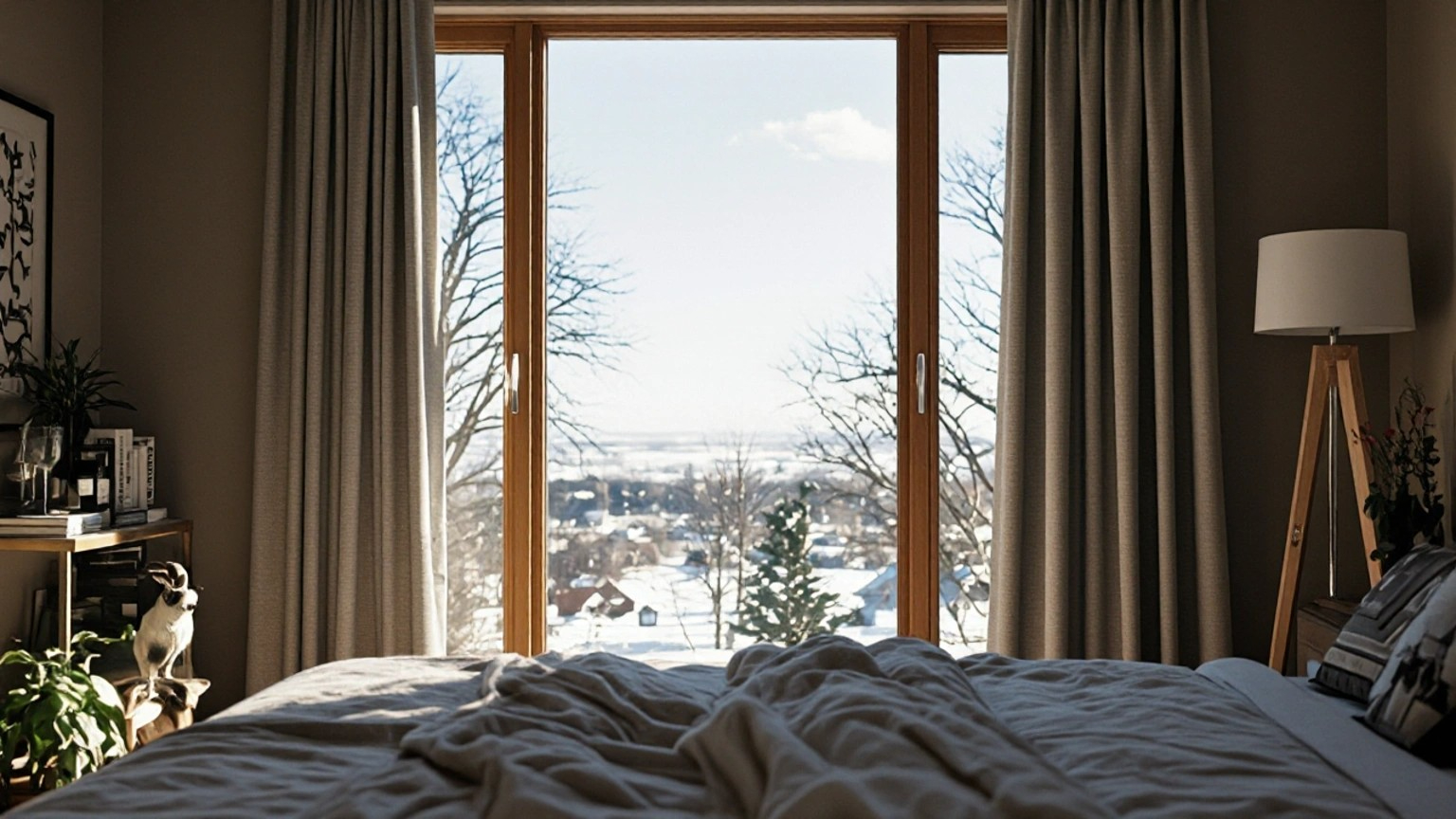
Missouri homeowners experience a wide range of weather conditions—from hot, humid summers to cold, windy winters. These extremes can put serious strain on heating and cooling systems, driving up monthly utility bills. One of the most effective ways to control energy costs year-round is by installing energy-efficient windows.
Modern window technology is designed not just for appearance, but for performance. When properly selected and installed, energy-efficient windows can significantly reduce heat transfer, air leakage, and overall energy waste in Missouri homes.
Why Missouri Homes Lose Energy Through Old Windows
Many older homes across Missouri still rely on outdated single-pane or poorly sealed windows. These windows allow conditioned air to escape and outdoor temperatures to creep inside.
Common energy-loss issues include:
-
Drafts caused by worn seals or warped frames
-
Excess heat gain during summer months
-
Heat loss during winter due to thin or inefficient glass
-
Condensation that signals poor insulation performance
Replacing these windows can dramatically improve a home’s energy efficiency and comfort.
Key Features of Energy-Efficient Windows
Energy-efficient windows are engineered with multiple layers of protection against heat transfer and air infiltration.
Some of the most important features include:
-
Double or triple-pane glass to improve insulation
-
Low-E (low emissivity) coatings that reflect heat while allowing natural light
-
Argon or krypton gas fills between panes to reduce thermal conductivity
-
Warm-edge spacers that minimize heat loss around the glass edges
-
Tightly sealed frames made from vinyl, fiberglass, or composite materials
These features work together to stabilize indoor temperatures and reduce the workload on HVAC systems.
How Energy-Efficient Windows Lower Utility Bills
Installing energy-efficient windows directly impacts monthly energy costs by reducing how often your heating and cooling systems need to run.
Homeowners in Missouri often see savings because:
-
Air conditioners don’t have to fight excessive heat gain in summer
-
Furnaces retain more heat during cold winter months
-
HVAC systems cycle less frequently, lowering electricity and gas usage
-
Temperature consistency reduces peak energy demand
“Energy-efficient windows don’t just block the cold or heat — they help your home maintain a steady indoor climate, which is the key to long-term energy savings.”
Over time, these reductions can lead to noticeable savings on utility bills while extending the life of heating and cooling equipment.
Additional Benefits Beyond Energy Savings
Lower utility bills are just one advantage of upgrading your windows. Missouri homeowners often experience several added benefits.
These include:
-
Improved indoor comfort with fewer hot and cold spots
-
Reduced outside noise from traffic and neighborhood activity
-
Less condensation and moisture buildup on glass
-
Enhanced UV protection for furniture and flooring
-
Increased home value and curb appeal
Energy-efficient windows are an investment that pays off both financially and functionally.
Choosing the Right Windows for Missouri’s Climate
Missouri’s climate demands windows that perform well in both heating and cooling seasons. When selecting energy-efficient windows, it’s important to consider:
-
U-factor ratings for winter insulation
-
Solar Heat Gain Coefficient (SHGC) for summer performance
-
Proper installation to prevent air leaks
-
Products rated for Midwest climate conditions
Working with an experienced window repair and installation company ensures the right product is matched to your home and installed correctly.
Final Thoughts
Energy-efficient windows are one of the smartest upgrades Missouri homeowners can make to reduce utility bills, improve comfort, and protect their homes year-round. With rising energy costs and unpredictable weather, upgrading outdated windows isn’t just an improvement—it’s a practical long-term solution.
Please Call For Complete Details of All Sales