
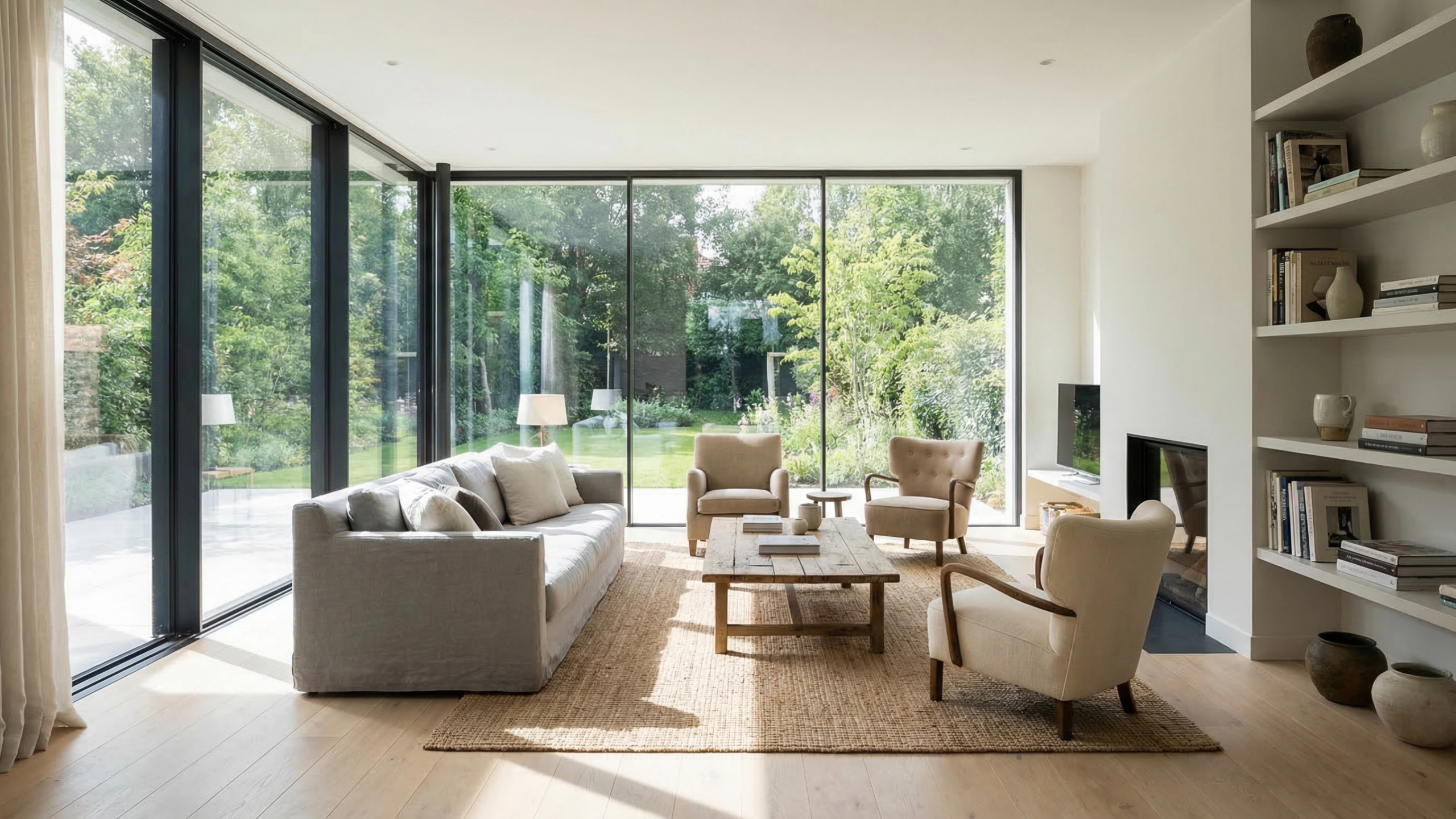
Large windows are one of the most requested upgrades for modern homes in St. Louis. They flood interiors with natural light, open up views, and create a seamless connection between indoor and outdoor spaces. But while bigger is often better in design, there are real structural and performance limits when it comes to window size.
Understanding these limits ensures your project is safe, energy-efficient, and built to last.
Why Homeowners Want Larger Windows
Large windows aren’t just a trend—they offer real benefits:
-
Maximized natural light
-
Expanded outdoor views
-
Improved home value and curb appeal
-
Enhanced sense of space indoors
However, achieving these benefits requires careful planning and engineering.
Typical Maximum Window Sizes
Different window styles come with different size limitations due to materials, hardware, and structural requirements.
Common Size Ranges
-
Single-hung / Double-hung windows
-
Width: 24″–48″
-
Height: 36″–72″
-
-
Casement windows
-
Width: 16″–36″
-
Height: 24″–84″
-
-
Picture (fixed) windows
-
Width: Up to 96″+ (or more with custom builds)
-
Height: Up to 72″+
-
-
Sliding windows
-
Width: Up to 120″
-
Height: 60″–72″
-
-
Floor-to-ceiling window walls
-
Often achieved by combining multiple units rather than a single pane
-
Important: The larger the glass, the thicker and heavier it becomes—this directly impacts structural support, installation methods, and cost.
Structural Considerations for Large Windows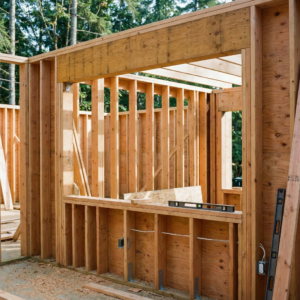
Installing oversized windows isn’t just about cutting a bigger hole in the wall. It requires proper structural reinforcement.
Key Structural Factors
-
Header Support
-
Larger openings need stronger headers (often engineered lumber or steel)
-
Prevents sagging or structural failure
-
-
Load-Bearing Walls
-
Removing sections of load-bearing walls requires reinforcement
-
May involve temporary supports during installation
-
-
Wind Load Resistance
-
Large glass surfaces must withstand Missouri storms and pressure changes
-
-
Foundation Impact
-
In some cases, additional weight distribution must be considered
-
Glass Limitations and Performance
Bigger glass panels introduce performance challenges:
Weight & Thickness
-
Larger panes require thicker glass
-
Heavier units demand stronger framing systems
Energy Efficiency
-
Large windows can:
-
Increase heat gain in summer
-
Increase heat loss in winter
-
-
Solutions include:
-
Low-E coatings
-
Double or triple-pane glass
-
Gas-filled units (argon/krypton)
-
Deflection & Flex
-
Glass can flex slightly under pressure
-
Engineering ensures it stays within safe tolerances
When to Use Multiple Windows Instead of One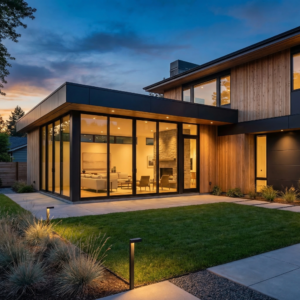
Instead of one massive pane, professionals often recommend combining units.
Benefits of Multi-Unit Configurations
-
Better structural integrity
-
Easier installation and replacement
-
Improved energy efficiency
-
More design flexibility (grids, spacing, styles)
Common setups include:
-
Picture window + flanking casement windows
-
Stacked window systems
-
Sliding glass wall systems
Code Requirements and Safety
Large windows must meet building codes and safety standards:
-
Tempered or laminated glass required in many areas
-
Egress requirements for bedrooms
-
Energy code compliance (U-factor, SHGC ratings)
-
Proper anchoring and sealing
Ignoring these can lead to failed inspections or long-term issues.
Cost Considerations
Large windows are a premium upgrade, and costs scale quickly with size.
What Affects Cost
-
Glass size and thickness
-
Frame material (vinyl, fiberglass, aluminum)
-
Structural modifications
-
Installation complexity
-
Energy-efficient upgrades
Bottom line: The jump from “large” to “oversized” often increases cost exponentially—not linearly.
Final Thoughts
Large windows can completely transform your home—but they require more than just aesthetic planning. Structural support, energy efficiency, and proper installation all play critical roles in making sure your investment performs as beautifully as it looks.
At Viviano Windows, we help homeowners throughout St. Louis design and install large window systems that are not only stunning—but also structurally sound and built to last.
Please Call For Complete Details of All Sales