
Introduction
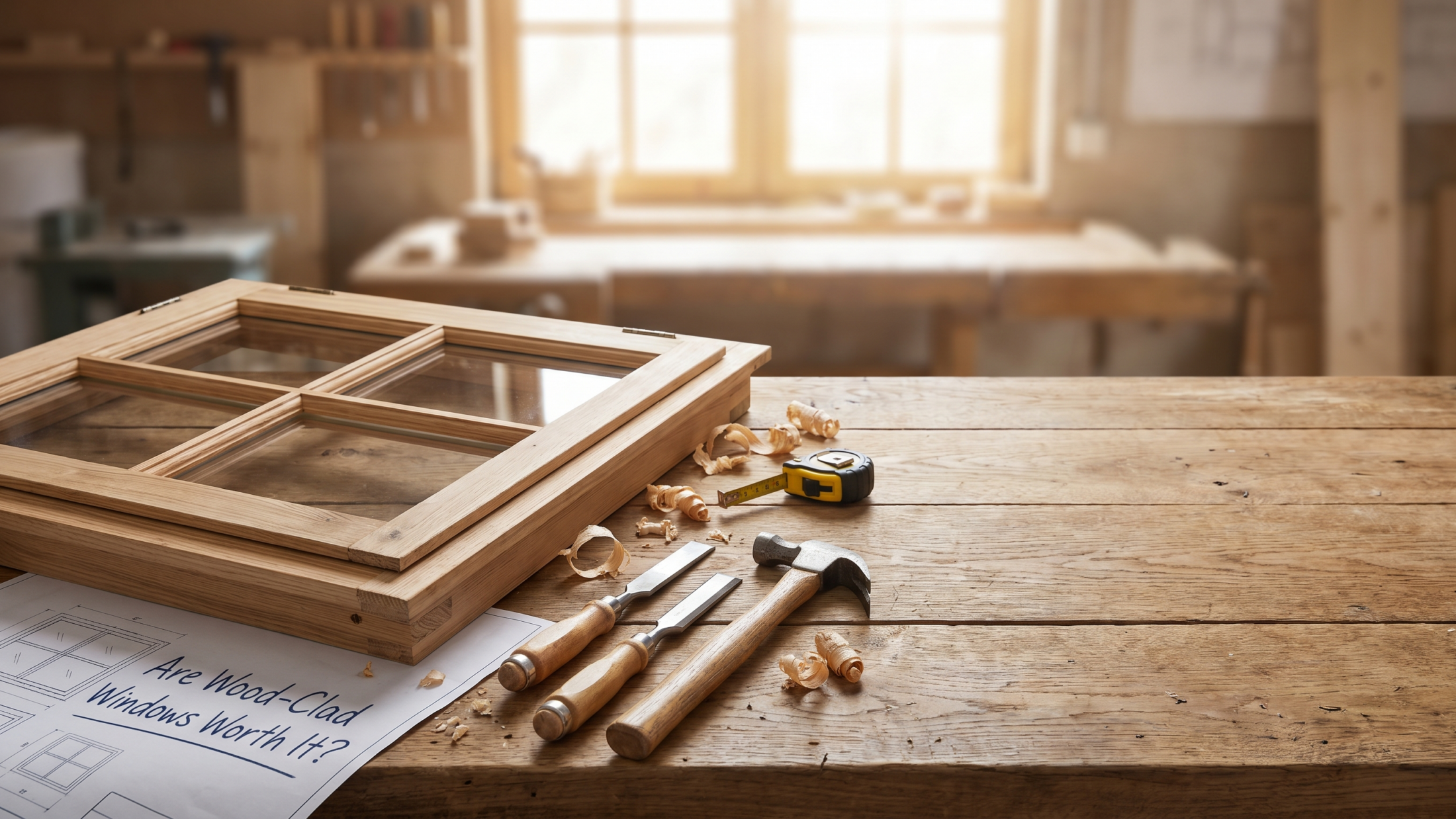
When it comes to replacing old windows, homeowners often face the dilemma of choosing the best window type that balances aesthetics, performance, and cost. Wood-clad windows have increasingly become a popular option, blending the timeless beauty of wood with the durability of exterior cladding materials. But are wood-clad windows truly worth the investment for replacement projects? This article will explore the benefits, drawbacks, costs, and practical considerations to help you make an informed decision.
What Are Wood-Clad Windows?
Wood-clad windows consist of a wood interior frame that is covered with an exterior cladding made from materials such as aluminum, vinyl, or fiberglass. This combination aims to provide the warmth and charm of wood on the inside with a low-maintenance, weather-resistant surface on the outside.

Characteristics
- Interior: Typically made from pine, oak, or other hardwoods providing natural insulation and aesthetic warmth.
- Exterior: Clad with aluminum or vinyl to protect against weather, UV rays, and wear.
- Glazing options: Multiple glass pane options including double or triple glazing with gas fills and low-E coatings.
Benefits of Wood-Clad Windows
1. Aesthetic Appeal and Customization
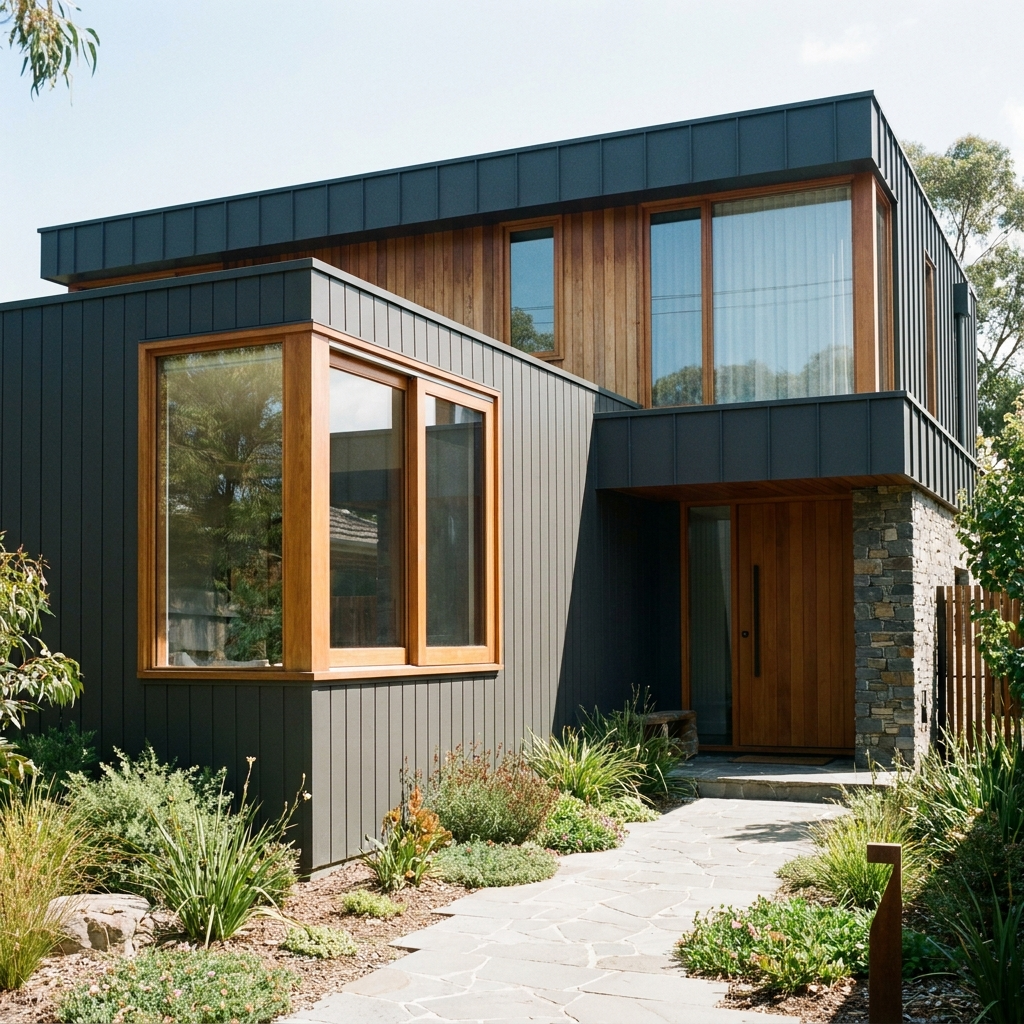
One of the primary advantages of wood-clad windows is their superior aesthetic appeal. The natural wood interior can be stained or painted to match any décor style, offering a level of customization that vinyl or aluminum windows cannot match.
3. Energy Efficiency
Wood itself is a natural insulator, providing better thermal performance than many other framing materials. When combined with high-performance glazing systems, wood-clad windows contribute to improved energy efficiency in your home, helping reduce heating and cooling costs.
Potential Drawbacks of Wood-Clad Windows
1. Cost Considerations
Wood-clad windows tend to be more expensive than vinyl or fiberglass windows. The combination of natural wood and composite cladding, along with the craftsmanship involved, results in a higher upfront investment. However, this cost may be offset over time by lower maintenance and energy savings.
2. Installation Complexity
Proper installation is critical to ensure wood-clad windows perform as expected. Incorrect installation can lead to moisture intrusion, warping, or cladding damage, which compromises longevity. Thus, it is essential to hire skilled professionals with experience in wood-clad window installation.
3. Limited Color Choices for Exterior
While interior finishes offer extensive options, exterior cladding usually comes in limited colors, particularly for aluminum clad. This may restrict certain design preferences for curb appeal.
Cost Breakdown of Wood-Clad Windows
Understanding the costs involved can help homeowners evaluate value relative to their budget and needs. The price range typically depends on window size, style, brand, and customization.
- Base price: $600 – $1,200 per window for standard sizes
- Custom sizes or shapes: Additional 15% – 40% above base price
- Upgrades: High-performance glass, grids, hardware, and finishes can add $100 – $400 per window
- Installation costs: $150 – $300 per window, depending on complexity and location
While initially pricier, wood-clad windows offer a longevity and quality that can make them more cost-effective over many years compared to cheaper alternatives requiring more frequent replacement.
When Are Wood-Clad Windows the Best Choice?
Restoration and Historic Homes
Because of their natural wood interiors and customization flexibility, wood-clad windows are an excellent choice for refurbishing historic properties. They maintain the original character and detail of the building while improving energy performance and weather resistance.
Eco-Conscious Homeowners
If sustainability is a priority, wood-clad windows offer an environmentally friendlier option compared to all-vinyl or aluminum windows, especially when wood is sourced responsibly.
Homes in Harsh Climates
In regions with extreme weather, the robust exterior cladding protects the wood frame from damage, providing longer-lasting performance than bare wood windows.
Maintenance Tips for Wood-Clad Windows
To maximize the lifespan of wood-clad windows, a few maintenance practices are recommended:
- Regularly inspect and clean exterior cladding to prevent dirt and debris buildup.
- Touch up paint or finish any chips or scratches on the cladding promptly.
- Maintain proper drainage and flashing around window installation to avoid moisture issues.
- Clean interior wood with gentle wood-safe products and avoid harsh chemicals.
- Schedule professional inspections every few years to detect any seal or structural wear.
Expert Opinions
“Wood-clad windows combine the beauty of traditional craftsmanship with the advantages of modern technology—balancing form and function uniquely well. For homeowners looking for a durable, energy-efficient upgrade that adds real value, we often recommend wood-clad windows despite their higher initial cost.” – Emily Thompson, Certified Window Consultant
Conclusion
Wood-clad windows are a compelling choice for replacement projects, especially when you value natural beauty, durability, energy efficiency, and eco-friendliness. While they require a higher upfront investment, their long-term benefits, combined with lower maintenance demands and superior aesthetics, can justify the cost. For historic homes, harsh climates, and environmentally conscious homeowners, wood-clad windows often represent the best balance of performance and style.
Ultimately, whether wood-clad windows are worth it depends on your specific priorities, budget, and home conditions. Consulting with window professionals and considering long-term energy savings is key to making the right decision for your replacement window project.